
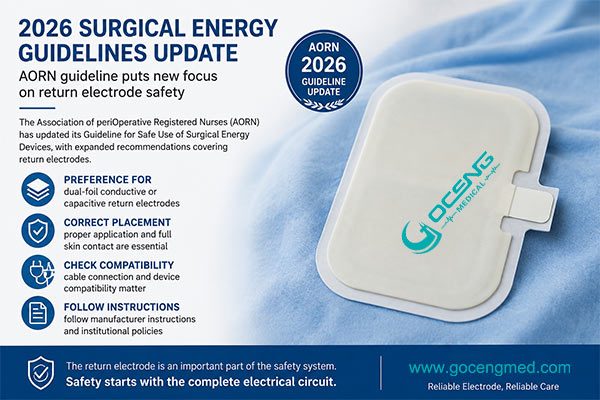
Patient return electrodes—often called neutral electrodes or “grounding pads”—are receiving renewed attention in 2026.
The Association of periOperative Registered Nurses (AORN) has updated its Guideline for Safe Use of Surgical Energy Devices, with expanded recommendations covering return electrodes, device selection, placement and injury prevention.
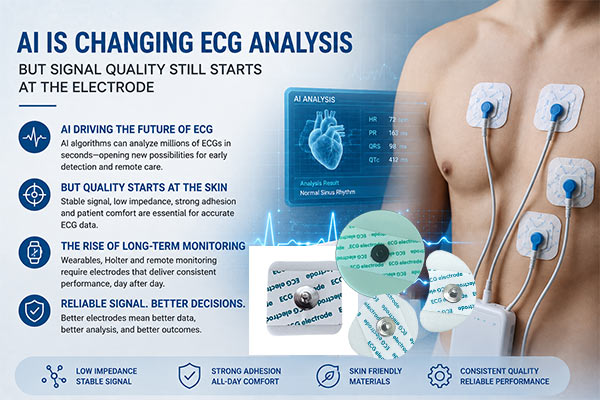
Recent developments in AI-powered ECG analysis are highlighting a simple but important fact: better algorithms still depend on better ECG signals.
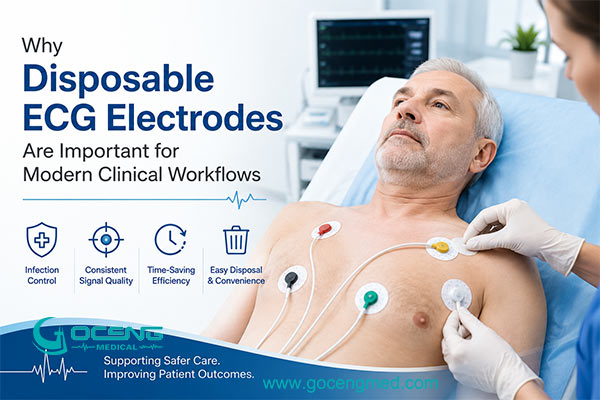
In modern healthcare environments, an ECG electrode is not only a component for signal acquisition—it is also part of the daily clinical workflow.
Hospitals, clinics, diagnostic centers and emergency care facilities may perform hundreds of ECG examinations and monitoring procedures every day. In these busy environments, disposable ECG electrodes offer practical advantages in hygiene management, workflow efficiency, handling convenience and product consistency.
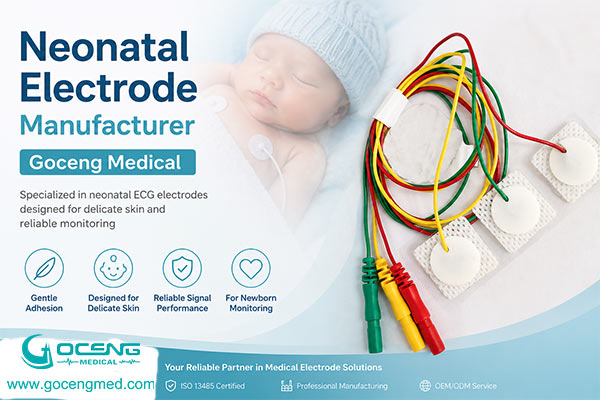
When ECG monitoring is performed on newborns, every millimeter matters.
Neonatal monitoring presents a different set of design challenges compared with adult patient monitoring. A newborn has a much smaller body surface, limited space for electrode placement and more delicate skin. These factors influence how an ECG electrode should be designed and manufactured.
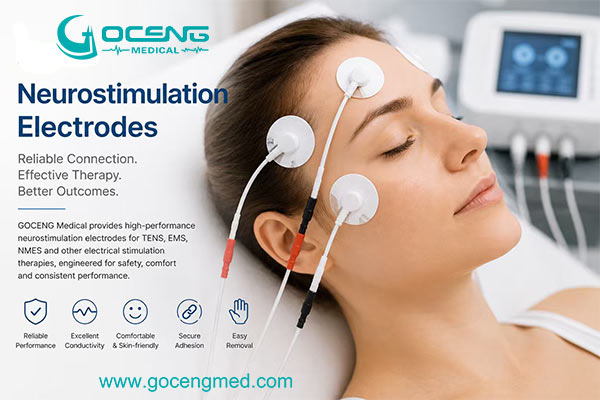
Neurostimulation therapy electrodes are an essential interface between an electrical stimulation device and the skin. They are widely used in TENS, EMS and other electrotherapy applications, helping deliver controlled electrical stimulation while maintaining comfortable and stable skin contact.
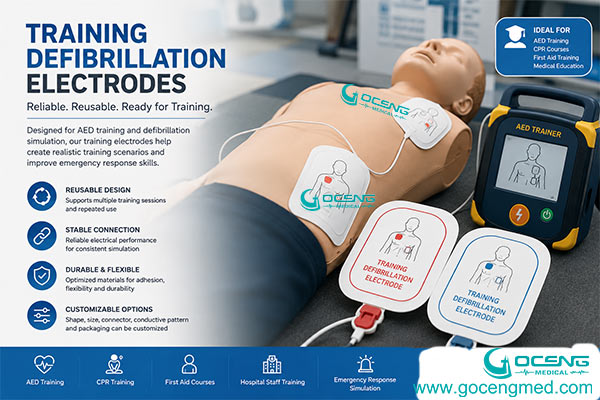
Goceng Medical Expands Solutions for AED Training and Defibrillation Simulation
Effective AED training requires more than a training device. Reliable training electrodes are also essential for creating a realistic and consistent learning experience.
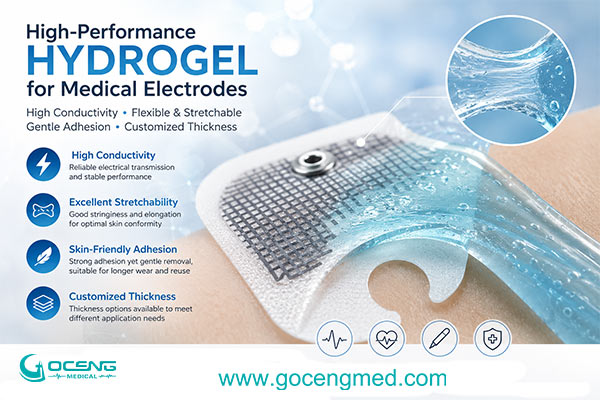
For medical electrodes, hydrogel is more than an adhesive layer—it plays an important role in electrical signal or current transmission.
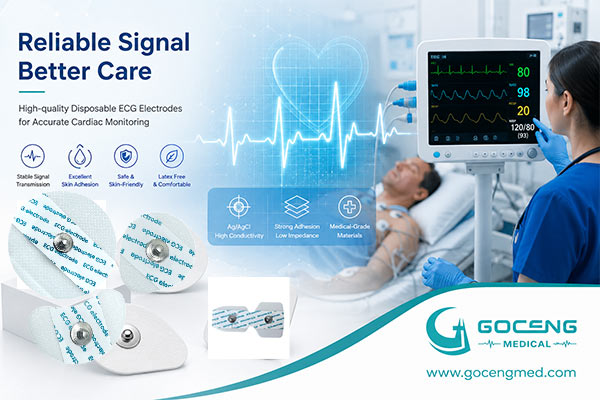
Accurate ECG monitoring starts with reliable electrode performance. Whether used in hospitals, diagnostic centers, ambulances, or home healthcare, disposable ECG electrodes play a critical role in ensuring stable signal transmission and patient comfort.
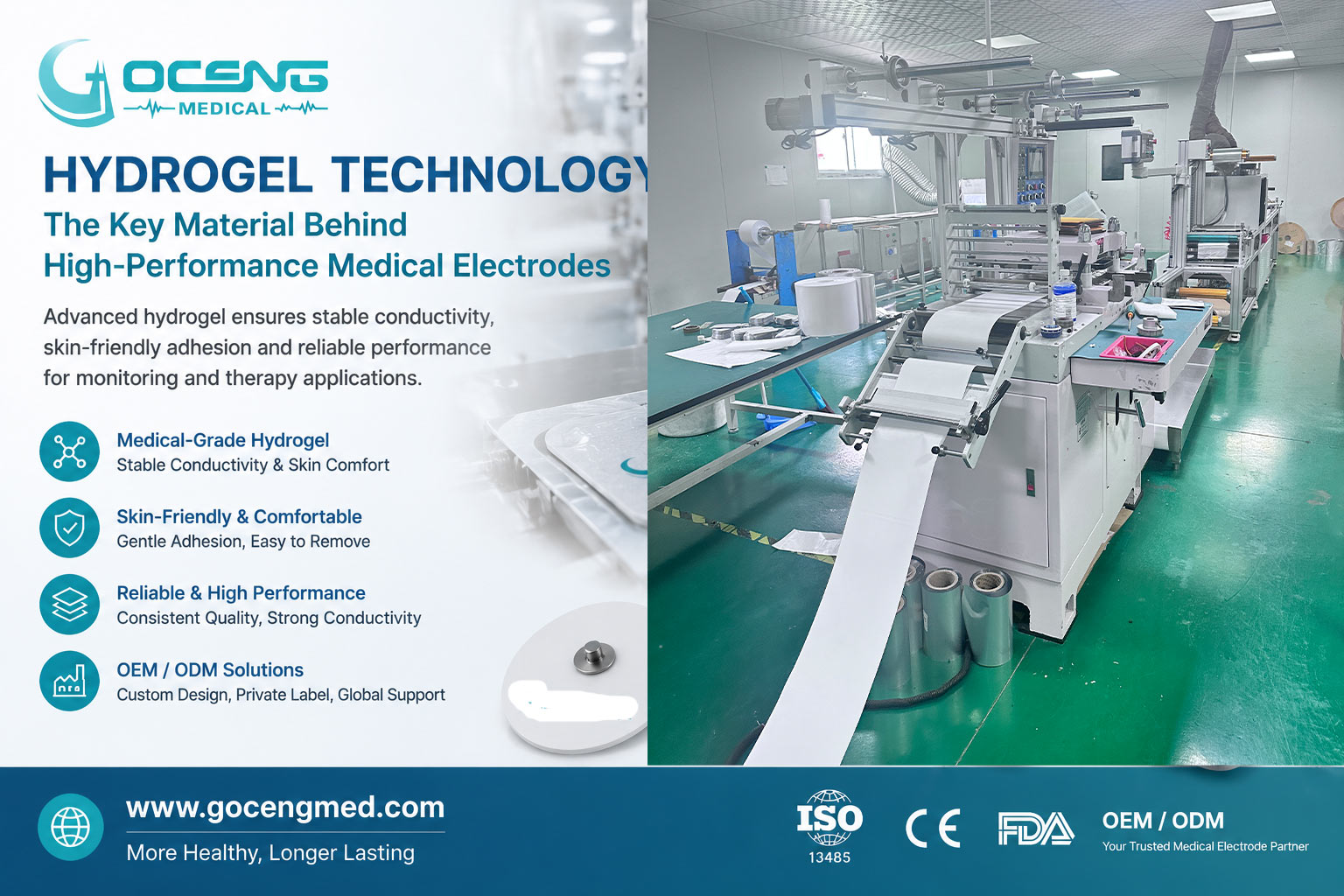
Hydrogel is one of the most important components in modern medical electrodes. It provides electrical conductivity while maintaining skin adhesion and patient comfort, making it essential for ECG electrodes, TENS electrodes, EMS pads, and other biomedical applications.