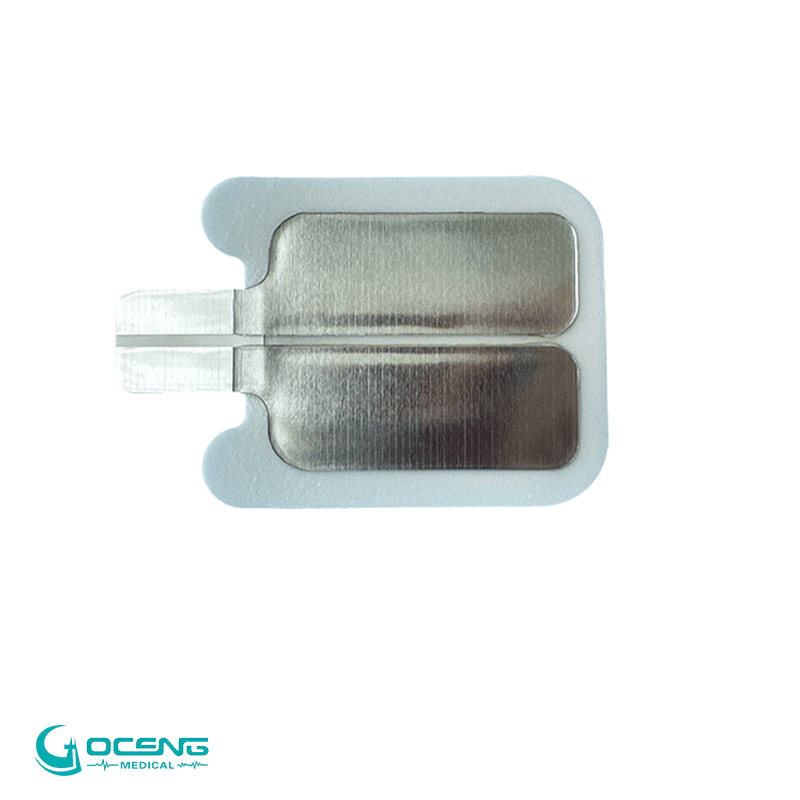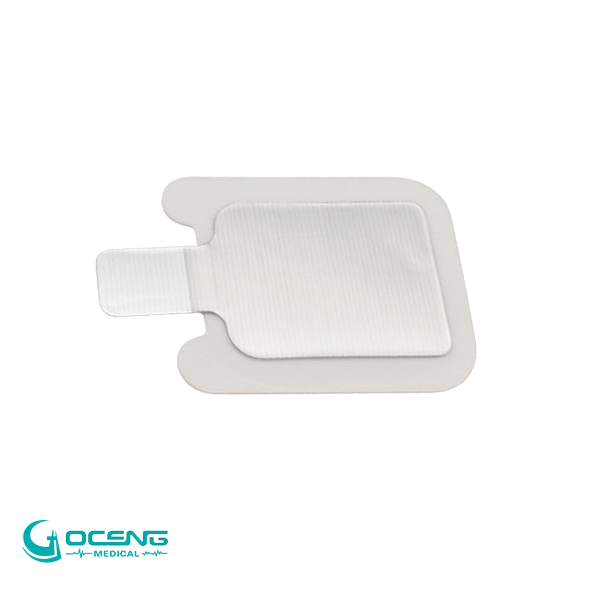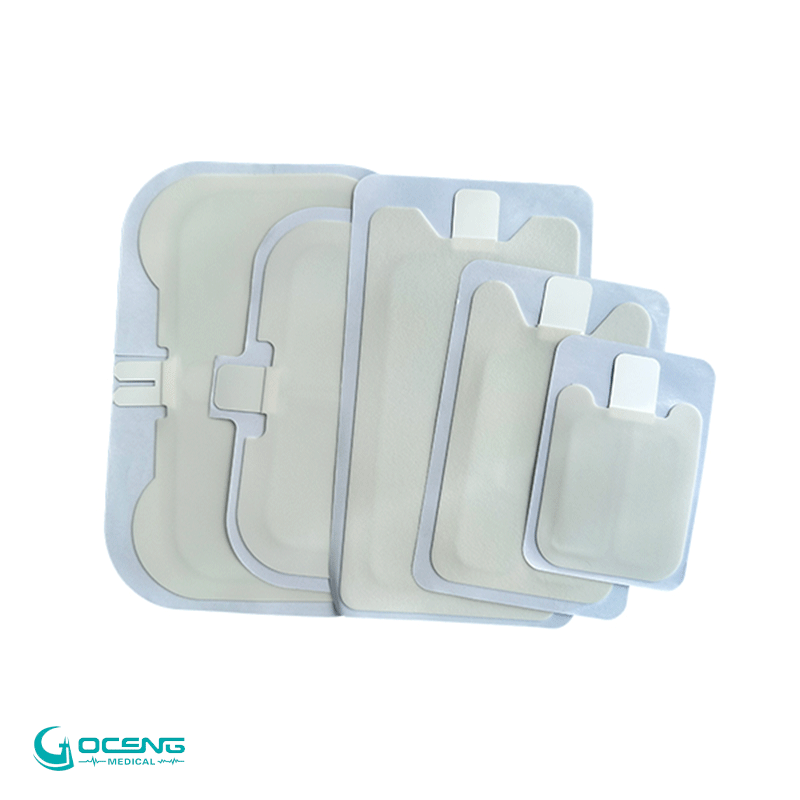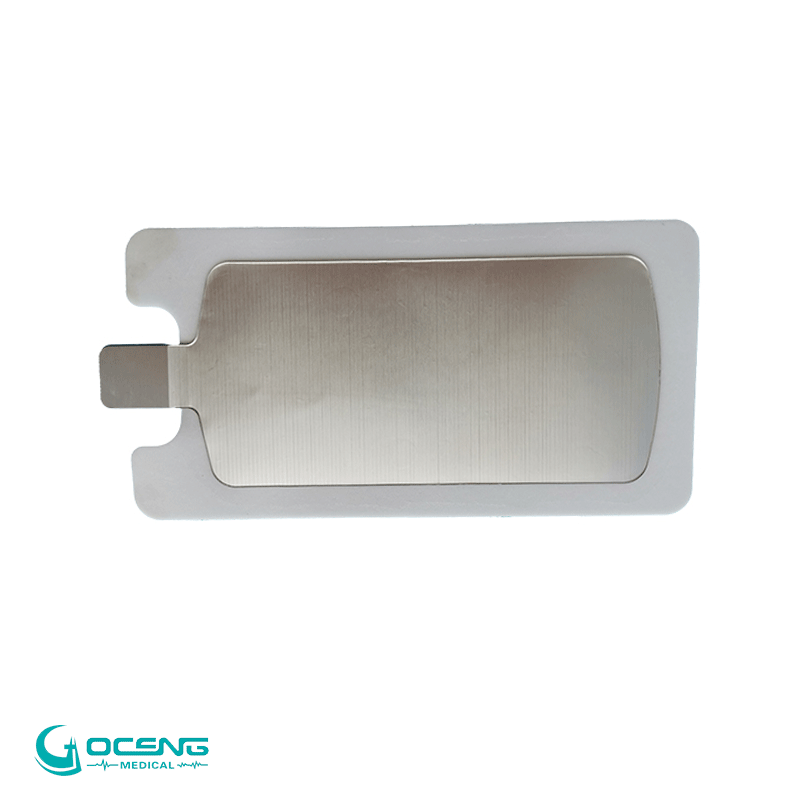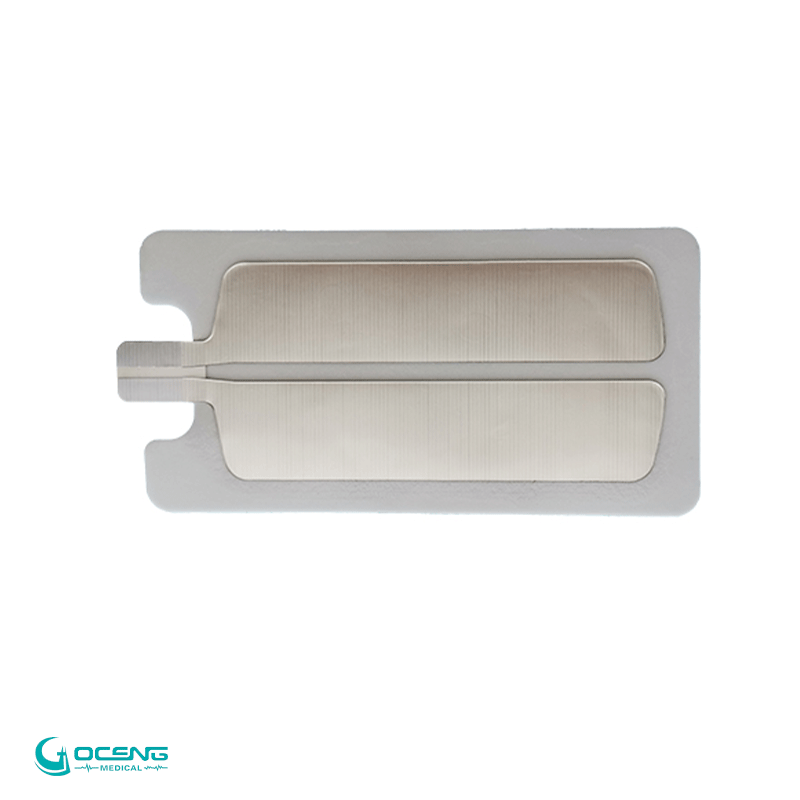
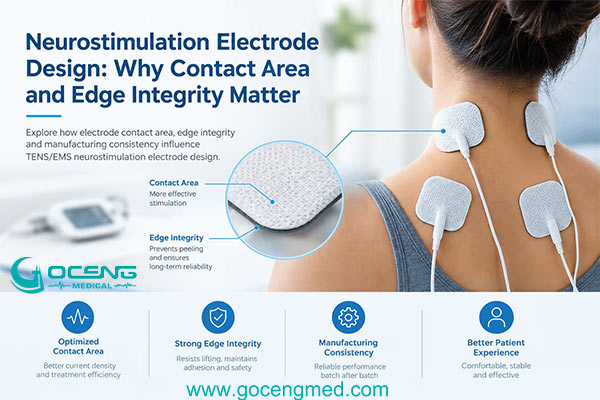
Neurostimulation electrodes serve as the interface between an electrical stimulation device and the user's skin. In applications such as TENS, EMS and other transcutaneous stimulation systems, electrode design involves more than selecting a conductive material. Contact area, edge integrity and structural consistency can all influence how the electrode performs during use.
For medical device manufacturers and product developers, understanding these design factors is an important step toward developing reliable stimulation electrodes.
1. Contact Area and Current Distribution
The effective contact area between an electrode and the skin is an important design consideration. When contact becomes uneven or part of the electrode lifts away from the skin, current may no longer be distributed as intended.
Electrode dimensions should therefore be selected according to the intended application, stimulation parameters and device design. A suitable contact area helps support consistent electrode–skin contact, while the complete stimulation system must be evaluated to verify electrical performance and user safety.
2. Why Edge Integrity Matters
The edges of an electrode are particularly relevant during application and removal. Curved body surfaces, repeated movement and handling can contribute to edge lifting, which may reduce the effective contact area.
A well-designed electrode should maintain its intended shape and contact with the skin throughout the specified period of use. Backing material flexibility, die-cutting accuracy and the compatibility of the adhesive layer are important factors to consider when developing an electrode for different body locations.
3. Structural Consistency in Electrode Manufacturing
Small variations in electrode construction can affect the finished product. Differences in cutting dimensions, conductive layer placement, hydrogel distribution or connector positioning may influence assembly consistency and product performance.
For this reason, manufacturing quality control should address both visual and functional characteristics. Depending on the product design, relevant checks may include dimensional inspection, connector attachment, electrical continuity, hydrogel coverage and adhesion performance.
Consistent production processes help medical device manufacturers maintain product specifications across batches.
4. Matching Electrode Design to the Intended Application
Neurostimulation electrodes are not necessarily interchangeable across all devices and applications. Electrode size, shape, connector type, backing material and hydrogel characteristics should be selected according to the intended use and the requirements of the compatible stimulation device.
Early coordination between the device developer and electrode manufacturer can help identify design constraints before tooling, validation and mass production begin.
Goceng Medical: Electrode Manufacturing for Medical Device Brands
Goceng Medical specializes in medical consumables, including TENS/EMS electrode pads and disposable ECG electrodes. We support business customers seeking electrode products with specifications suited to their device designs and manufacturing requirements.
For TENS/EMS electrode projects, product discussions can cover electrode dimensions, shapes, connector configurations, backing materials and packaging requirements, subject to technical feasibility.
If you are developing a neurostimulation device or evaluating electrode supply options, contact Goceng Medical to discuss your product specifications and potential manufacturing cooperation.