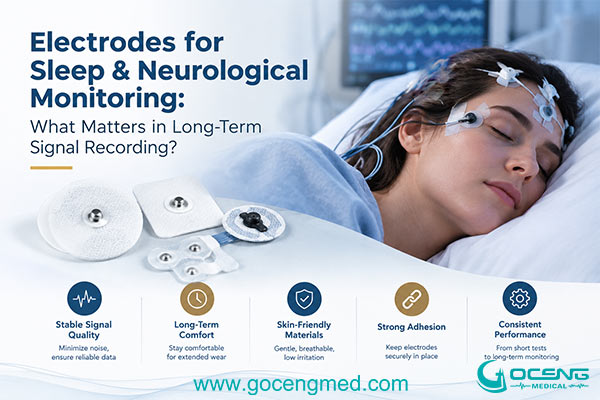
Sleep and neurological monitoring rely on electrodes to capture small electrical signals from the body. From polysomnography (PSG) and EEG monitoring to EMG and other neurophysiological applications, electrode performance can directly affect the quality and consistency of recorded signals.
Unlike stimulation electrodes used for TENS or EMS, monitoring electrodes are primarily designed for stable signal acquisition. They need to maintain good skin contact while minimizing motion artifacts, impedance changes and discomfort during extended use.
1. Stable skin contact for long-term monitoring
Sleep studies can last for several hours, and neurological monitoring may require even longer recording periods. An electrode that gradually loses contact with the skin can result in signal fluctuations or recording interruptions.
For this reason, the adhesive layer, conductive gel and backing material all need to work together to maintain stable contact throughout the monitoring period.
2. Consistent electrical performance
EEG and EMG signals can be relatively small, making electrode-skin impedance an important consideration. A well-designed electrode should provide consistent electrical contact without unnecessarily increasing noise in the recorded signal.
Gel formulation, electrode material, conductive area and the overall electrode structure can all influence electrical performance.
3. Comfort matters during sleep
For sleep monitoring, patients may wear multiple electrodes overnight. Excessive adhesive strength, rigid backing materials or an uncomfortable electrode structure can affect sleep quality and patient acceptance.
Soft backing materials, suitable adhesive properties and an appropriate electrode size can help balance secure attachment and patient comfort.
4. Different applications require different electrode designs
EEG, EMG and sleep-monitoring electrodes do not necessarily require the same design.
Depending on the application, manufacturers may customize:
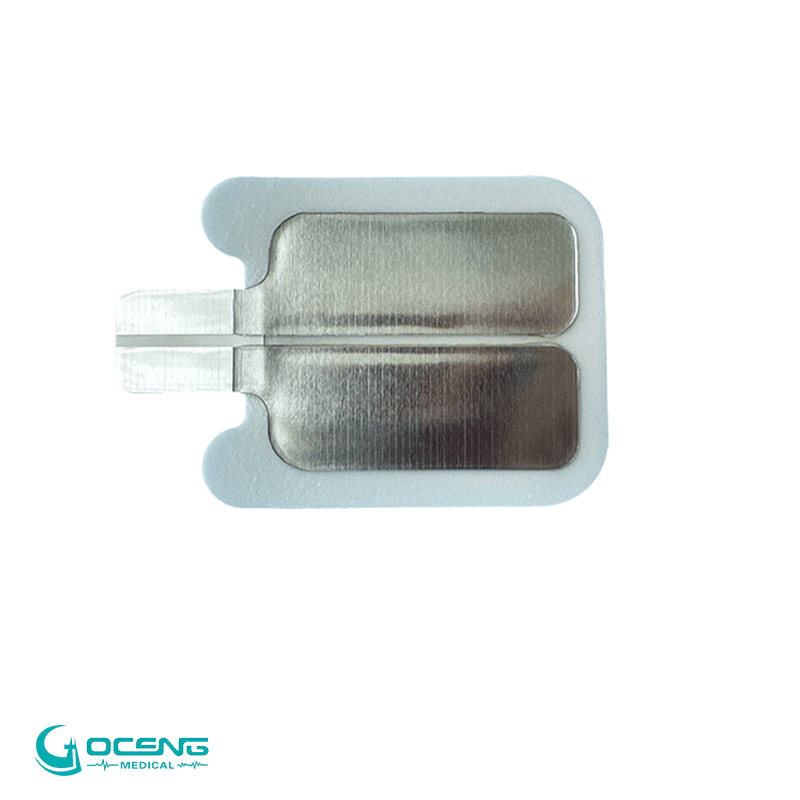
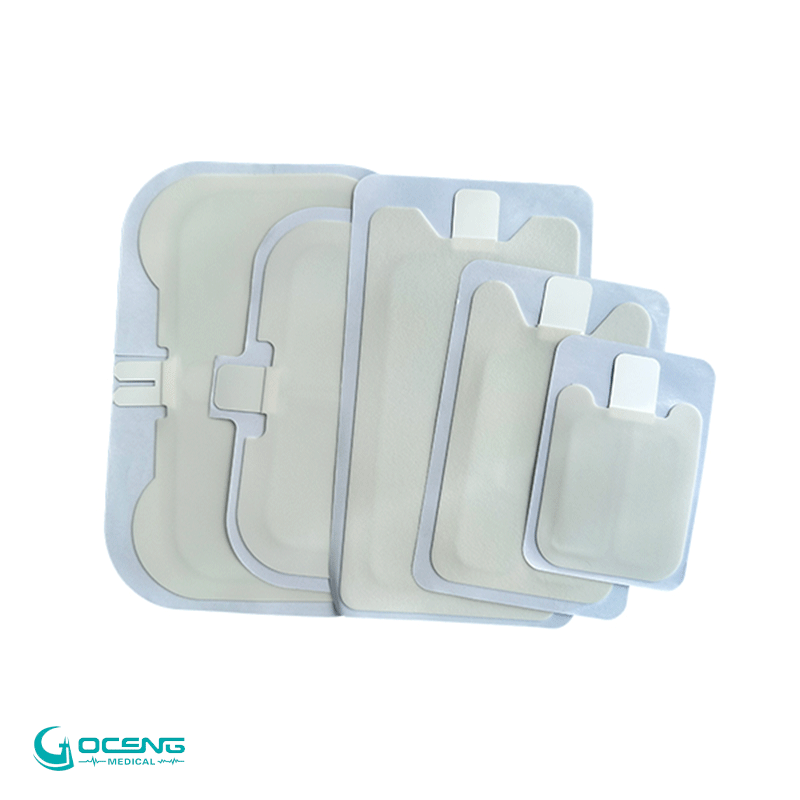
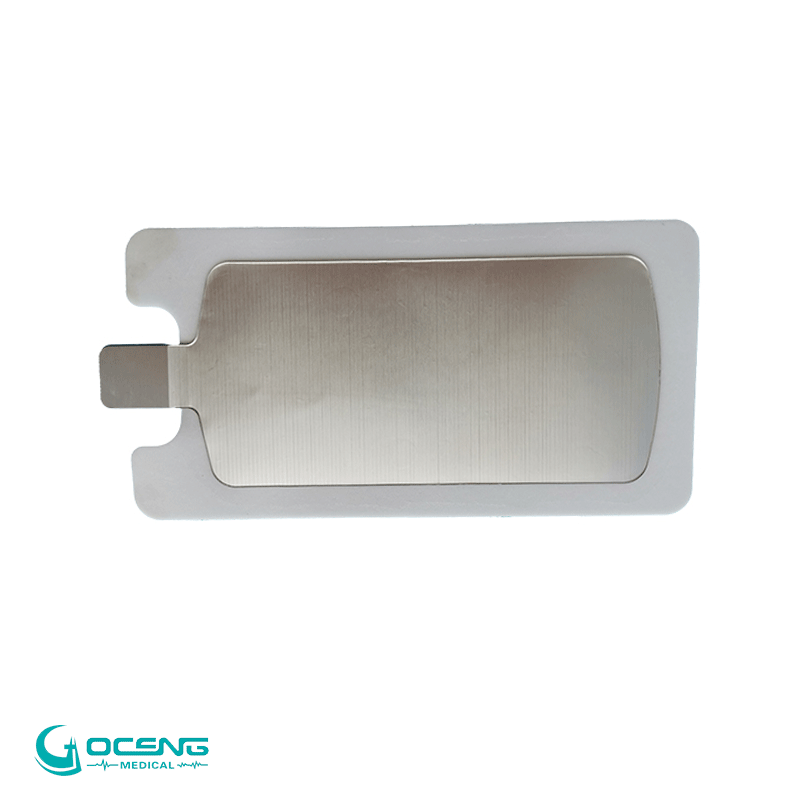
- Electrode size and shape
- Ag/AgCl or other conductive materials
- Wet gel or other conductive media
- Adhesive characteristics
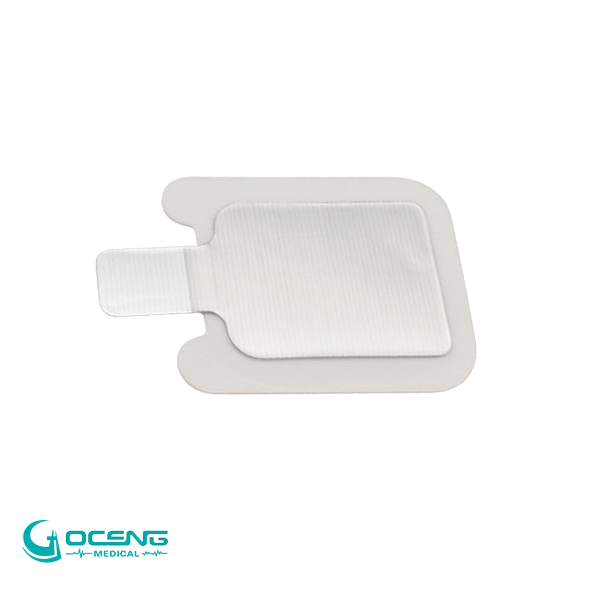
- Backing materials
- Snap, tab or other connection types
- Cable or lead-wire configurations
- Packaging and labeling
This allows the electrode to be adapted to the recording system and the intended monitoring environment.
5. Consistency is critical for OEM production
For medical device manufacturers and distributors, electrode performance is not only about the first sample. Consistency between production batches is equally important.
Key factors include raw-material control, gel coating uniformity, adhesive application, electrode assembly and final inspection. A controlled manufacturing process helps ensure that electrodes supplied for sleep and neurological monitoring maintain consistent characteristics from one batch to the next.
Supporting better physiological data collection
Whether used for overnight sleep studies, EEG examinations, EMG monitoring or other neurophysiological applications, monitoring electrodes are an important interface between the patient's skin and the recording equipment.
At Goceng Medical, we provide OEM/ODM medical electrode solutions and can customize electrode structures, sizes, materials, gels and connection types according to customer requirements.
If you are developing electrodes for EEG, EMG, sleep monitoring or other physiological signal acquisition applications, contact us to discuss your requirements.