
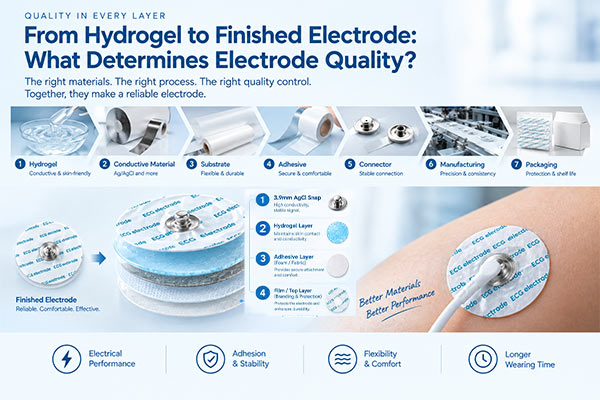
A high-quality electrode is not created by one material or one manufacturing step.
From the selection of conductive hydrogel to the final packaging of the finished product, multiple components and processes work together to determine the electrode's electrical performance, adhesion, flexibility, durability, and overall reliability.
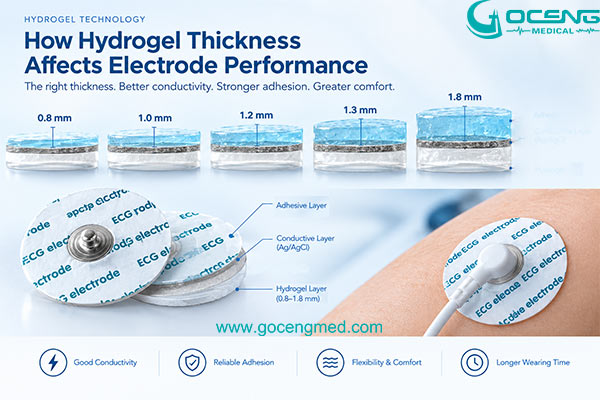
When designing an electrode, the conductive hydrogel is much more than a layer that helps the electrode stick to the skin. It plays an important role in the electrical interface, adhesion, flexibility, comfort, and overall performance of the finished electrode.
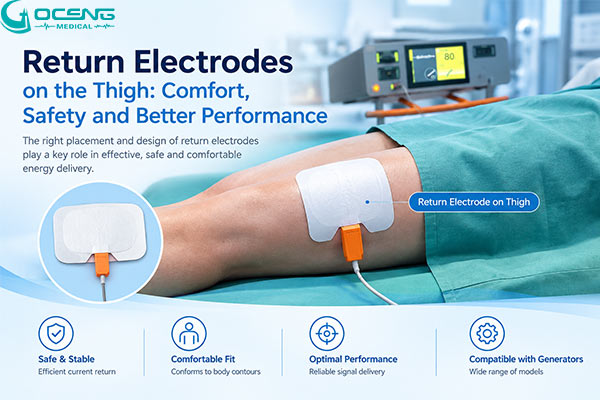
In monopolar electrosurgery, the return electrode is an essential part of the electrical circuit. While split and solid return electrodes are both designed for monopolar electrosurgical applications, their structures and monitoring characteristics are different.
Understanding these differences can help medical device manufacturers, distributors, and healthcare providers select a return electrode that is appropriate for the electrosurgical generator and intended application.
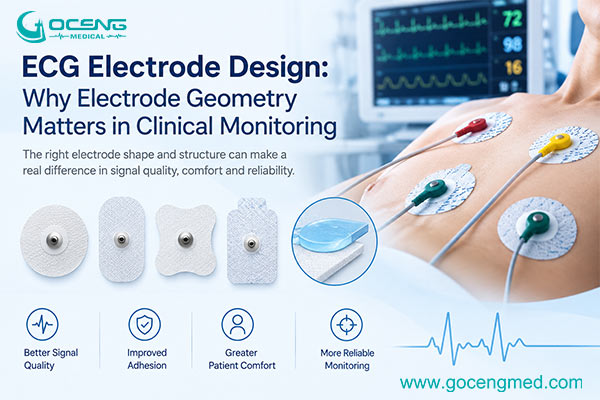
In ECG monitoring, electrode performance is influenced not only by the conductive material or hydrogel, but also by the overall geometry of the electrode.
The size, shape, edge structure, and contact area of an ECG electrode can affect how the electrode conforms to the patient's body and how consistently it maintains skin contact during monitoring.
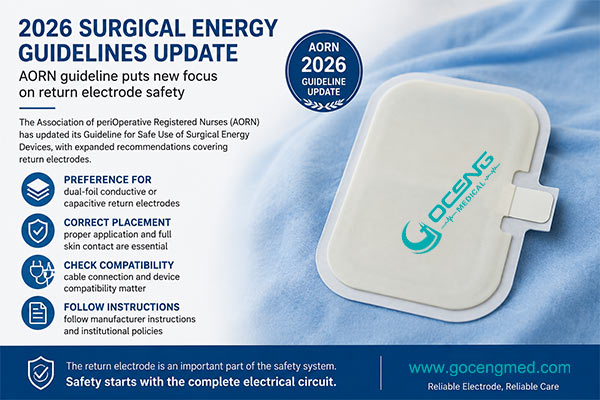
Patient return electrodes—often called neutral electrodes or “grounding pads”—are receiving renewed attention in 2026.
The Association of periOperative Registered Nurses (AORN) has updated its Guideline for Safe Use of Surgical Energy Devices, with expanded recommendations covering return electrodes, device selection, placement and injury prevention.
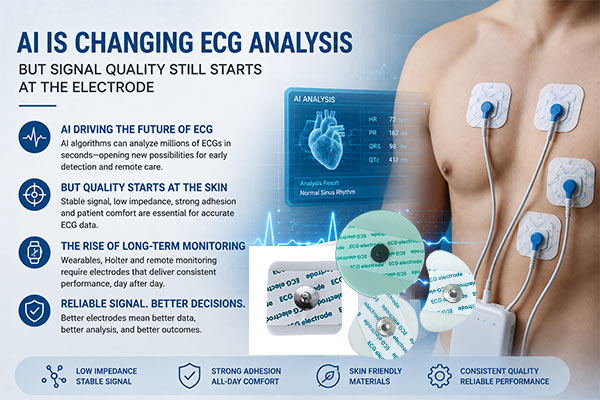
Recent developments in AI-powered ECG analysis are highlighting a simple but important fact: better algorithms still depend on better ECG signals.
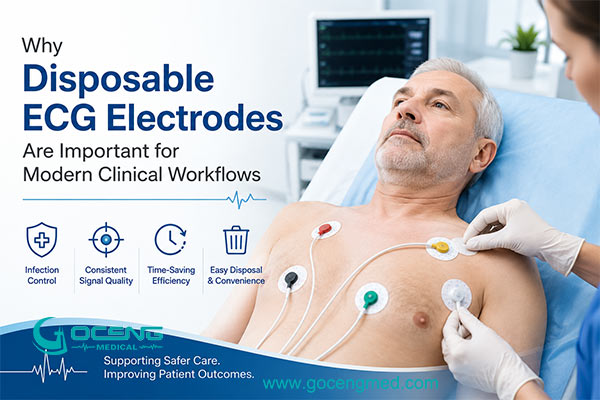
In modern healthcare environments, an ECG electrode is not only a component for signal acquisition—it is also part of the daily clinical workflow.
Hospitals, clinics, diagnostic centers and emergency care facilities may perform hundreds of ECG examinations and monitoring procedures every day. In these busy environments, disposable ECG electrodes offer practical advantages in hygiene management, workflow efficiency, handling convenience and product consistency.
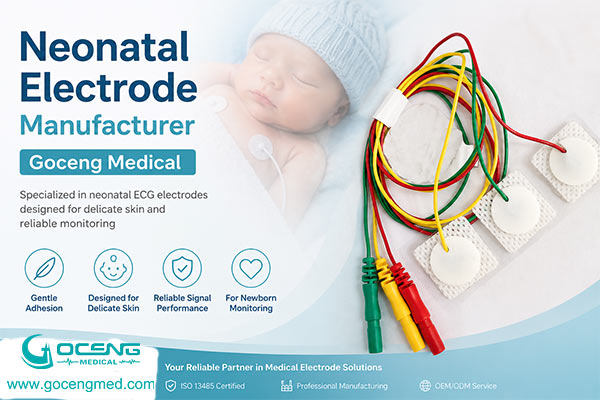
When ECG monitoring is performed on newborns, every millimeter matters.
Neonatal monitoring presents a different set of design challenges compared with adult patient monitoring. A newborn has a much smaller body surface, limited space for electrode placement and more delicate skin. These factors influence how an ECG electrode should be designed and manufactured.
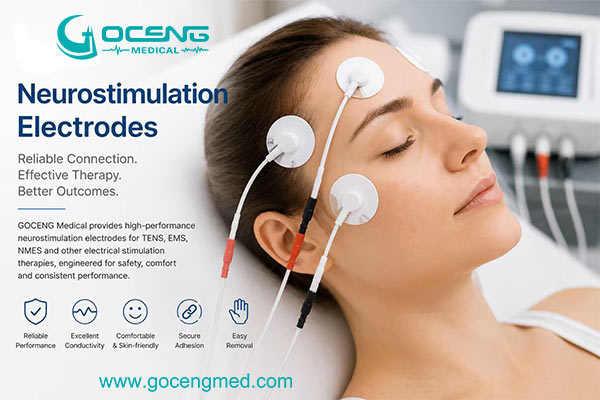
Neurostimulation therapy electrodes are an essential interface between an electrical stimulation device and the skin. They are widely used in TENS, EMS and other electrotherapy applications, helping deliver controlled electrical stimulation while maintaining comfortable and stable skin contact.