A high-quality electrode is not created by one material or one manufacturing step.
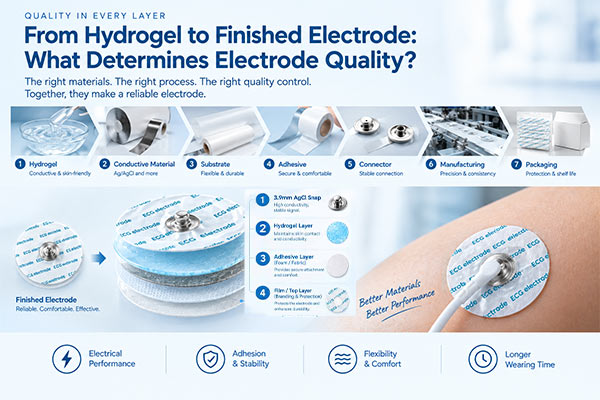
From the selection of conductive hydrogel to the final packaging of the finished product, multiple components and processes work together to determine the electrode's electrical performance, adhesion, flexibility, durability, and overall reliability.
For medical electrode manufacturers and OEM customers, understanding these factors is important when developing a new electrode or improving an existing product.
At Goceng Medical, we view electrode quality as the result of the entire product construction and manufacturing process, rather than a single specification.
1. Conductive Hydrogel: The Skin-Electrode Interface
Conductive hydrogel is one of the most important components of a skin-contact electrode.
It provides the interface between the electrode and the skin and can influence both electrical contact and adhesion.
Depending on the application, important hydrogel characteristics may include:
- Conductivity
- Adhesion
- Flexibility
- Skin conformity
- Moisture retention
- Stability during storage
- Comfort during application and removal
However, there is no universal hydrogel specification suitable for every electrode.
An ECG electrode, TENS/EMS electrode, electrosurgical return electrode, and facial electrode may have completely different performance requirements.
Hydrogel formulation and thickness therefore need to be considered together with the intended application and overall electrode construction.
2. Conductive Material: Supporting Reliable Electrical Performance
The conductive layer is another critical part of the electrode.
For many biomedical electrodes, materials such as Ag/AgCl are used because of their established electrochemical characteristics and suitability for biopotential measurement.
The conductive layer needs to work effectively with the hydrogel and the electrode connector.
For signal-acquisition electrodes such as ECG and EMG electrodes, stable electrical contact can help support consistent signal acquisition.
For stimulation electrodes such as TENS and EMS electrodes, the construction needs to support effective electrical transmission while maintaining appropriate skin contact.
This means that conductive material cannot be evaluated separately from the hydrogel and the rest of the electrode structure.
3. Substrate and Backing Material
The substrate provides structural support for the electrode.
Its characteristics can affect:
- Flexibility
- Dimensional stability
- Handling
- Conformability to the body
- Resistance to deformation
- Overall electrode appearance
A rigid substrate may be appropriate for certain applications, while flexible materials may be more suitable for electrodes applied to curved or frequently moving areas of the body.
The substrate also needs to be compatible with the hydrogel, conductive layer, adhesive, connector, and manufacturing process.
A well-designed electrode is therefore a carefully balanced multilayer construction.
4. Adhesive Performance: More Than Just “Stickiness”
An electrode needs to stay in place during its intended use.
However, good adhesion does not simply mean maximum adhesion.
The electrode should provide an appropriate balance between:
Secure attachment + stable contact + comfortable removal
The required adhesion can vary significantly depending on the application.
For example, an ECG electrode used for short-term monitoring may have different requirements from a TENS electrode designed for repeated use.
Factors such as hydrogel formulation, substrate, adhesive system, electrode shape, skin condition, and expected wearing time can all affect the final result.
5. Electrode Geometry and Overall Construction
Even when the individual materials are carefully selected, the electrode design itself can influence performance.
Important design parameters may include:
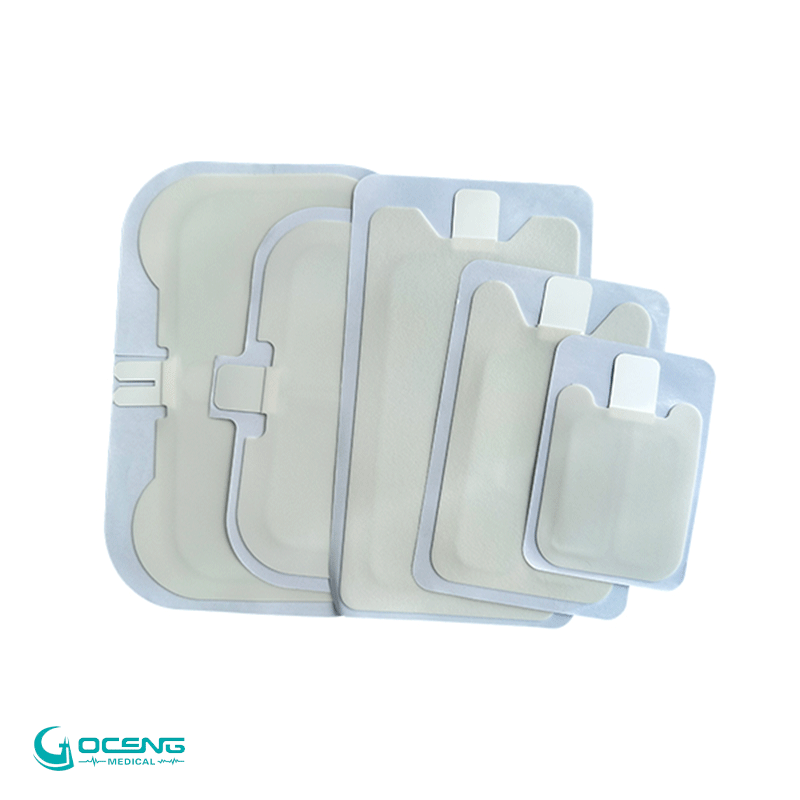
- Electrode size
- Shape
- Conductive area
- Connector position
- Hydrogel coverage
- Edge design
- Layer configuration
- Overall flexibility
For example, an electrode designed for the chest may have different geometric requirements from one designed for a limb, facial area, or other curved body surface.
This is why OEM electrode development often requires more than simply changing the printed logo or packaging.
The complete construction needs to match the intended application.
6. Manufacturing Process Matters
Material selection is only one part of electrode quality.
Manufacturing consistency is equally important.
A reliable electrode manufacturing process needs to control factors such as:
- Raw material inspection
- Hydrogel production
- Coating or application
- Lamination
- Die cutting
- Connector assembly
- Dimensional accuracy
- Visual inspection
- Packaging
- Batch traceability
Small variations during manufacturing can affect the final product.
For example, inconsistent hydrogel application may influence adhesion or electrical contact, while inaccurate die cutting can affect the electrode shape and usable conductive area.
Consistent production therefore plays an important role in maintaining product quality from batch to batch.
7. Quality Control from Raw Material to Finished Product
Finished-product inspection should not be the only quality-control point.
A robust quality approach starts with incoming materials and continues throughout production.
Depending on the electrode type, quality control may include evaluation of:
Raw materials → Hydrogel → Components → In-process production → Finished electrode → Packaging
Typical inspection items may include dimensions, appearance, connector assembly, adhesion characteristics, electrical properties, packaging integrity, and other product-specific requirements.
For OEM projects, defined specifications and inspection criteria are particularly important because they provide a clear reference for maintaining consistency during mass production.
8. Packaging and Storage Can Also Affect Electrode Quality
Even a well-manufactured electrode can be affected by inappropriate packaging or storage conditions.
Conductive hydrogel contains moisture, so packaging needs to help maintain the required product condition throughout its shelf life.
Factors such as:
- Packaging material
- Sealing quality
- Storage temperature
- Humidity
- Transportation conditions
- Shelf-life requirements
should therefore be considered during product development.
For OEM customers, packaging is not simply a branding element. It is also part of protecting the finished electrode and maintaining its intended performance before use.
9. Quality Is a System, Not a Single Specification
When evaluating an electrode supplier, it can be tempting to focus on one specification such as hydrogel thickness, peel strength, impedance, or price.
In reality, electrode quality is the result of multiple factors working together.
A simple way to understand the relationship is:
Hydrogel + Conductive Material + Substrate + Adhesive + Connector + Geometry + Manufacturing + QC + Packaging = Finished Electrode Quality
Changing one component can influence the performance of the entire electrode.
This is particularly important for OEM projects, where the customer may have specific requirements for application, dimensions, materials, packaging, shelf life, or regulatory documentation.
Goceng Medical: From Materials to Finished Electrode
At Goceng Medical, we understand electrode manufacturing as a complete process rather than simply converting raw materials into finished pads.
Our capabilities include conductive hydrogel production, electrode assembly, die cutting, connector integration, inspection, packaging, and OEM customization.
We support electrode applications including:
- TENS / EMS electrodes
- ECG electrodes
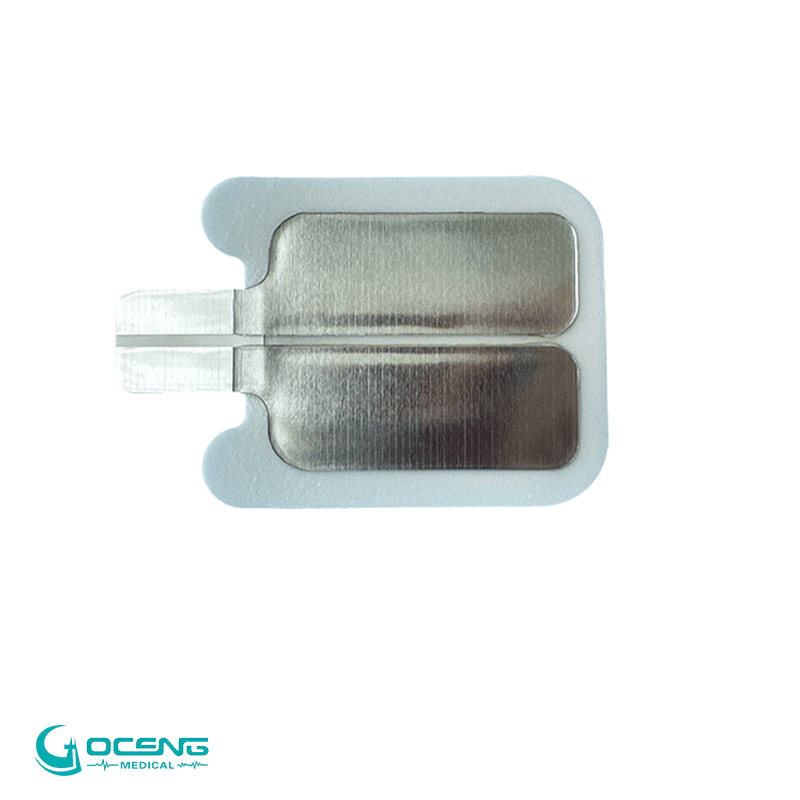
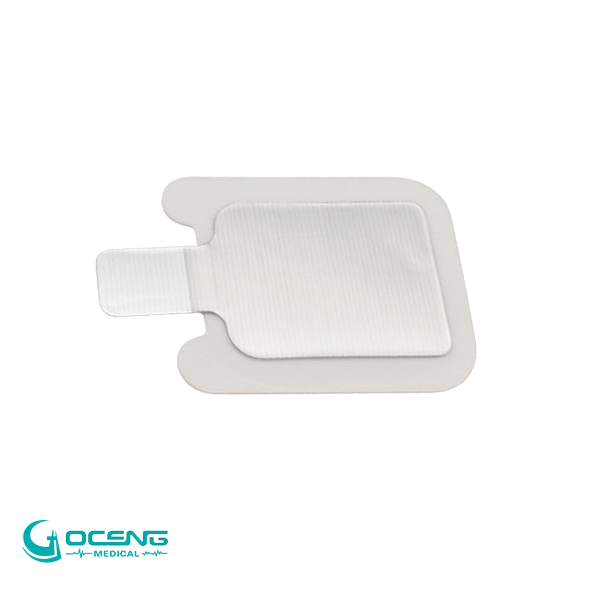
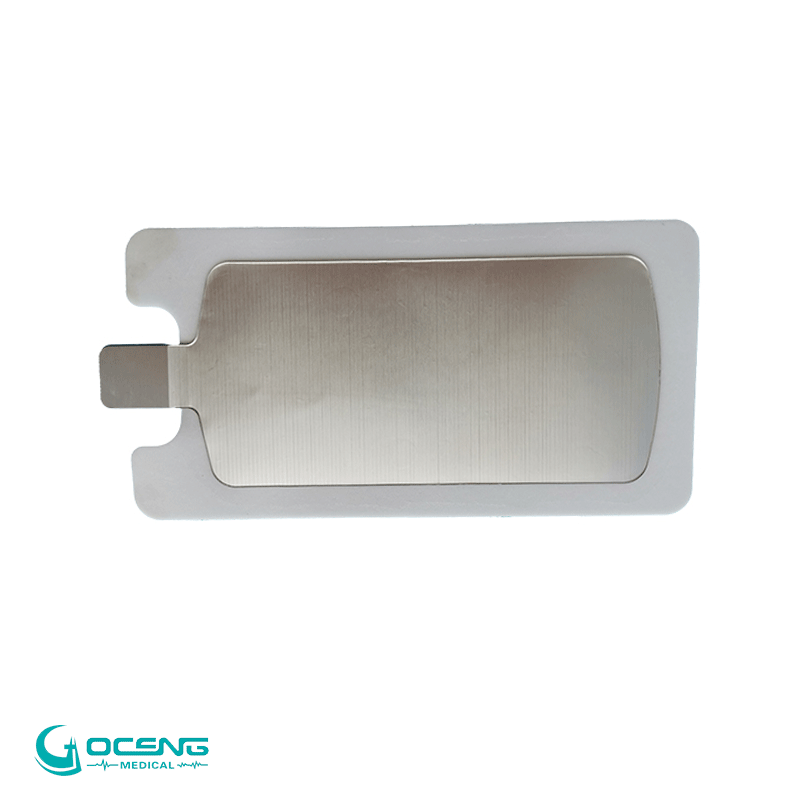
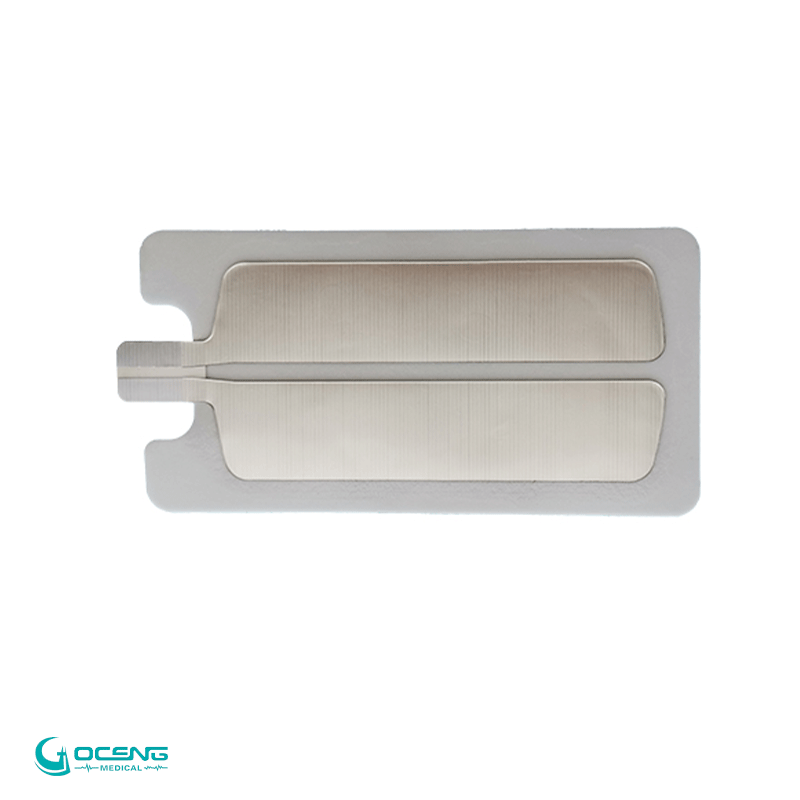
- Neutral / return electrodes
- EMG and sensor electrodes
- Neonatal electrodes
- Customized electrode products
For OEM and ODM projects, product requirements can be discussed from the initial material selection through to the finished electrode.
Depending on the application, we can work with customers on factors such as electrode dimensions, shape, hydrogel thickness, connector type, backing material, printing, packaging, and product specifications.
The objective is not simply to manufacture an electrode that looks correct. It is to develop a consistent and application-appropriate product with controlled materials, manufacturing processes, and quality requirements.
Looking for an OEM Electrode Manufacturing Partner?
Whether you are developing a new electrode, improving an existing design, or looking for a reliable manufacturing partner for an established product, the quality of the finished electrode starts with the details behind it.
Goceng Medical provides OEM/ODM electrode manufacturing solutions from conductive hydrogel to finished electrode.
Contact us to discuss your electrode specifications and customization requirements.