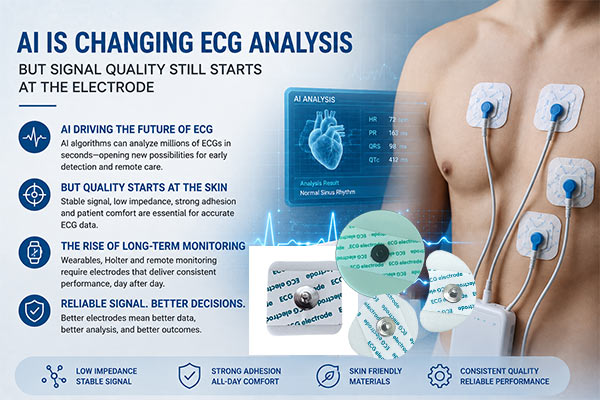
Recent developments in AI-powered ECG analysis are highlighting a simple but important fact: better algorithms still depend on better ECG signals.
A recent study presented at the European Society of Cardiology Congress demonstrated an AI tool capable of identifying signs of heart failure and heart valve disease from routine ECG data within seconds. The system was trained on millions of patient records and showed promising performance in a large U.S. trial. Future applications may include integration into handheld ECG devices and broader hospital ECG screening.
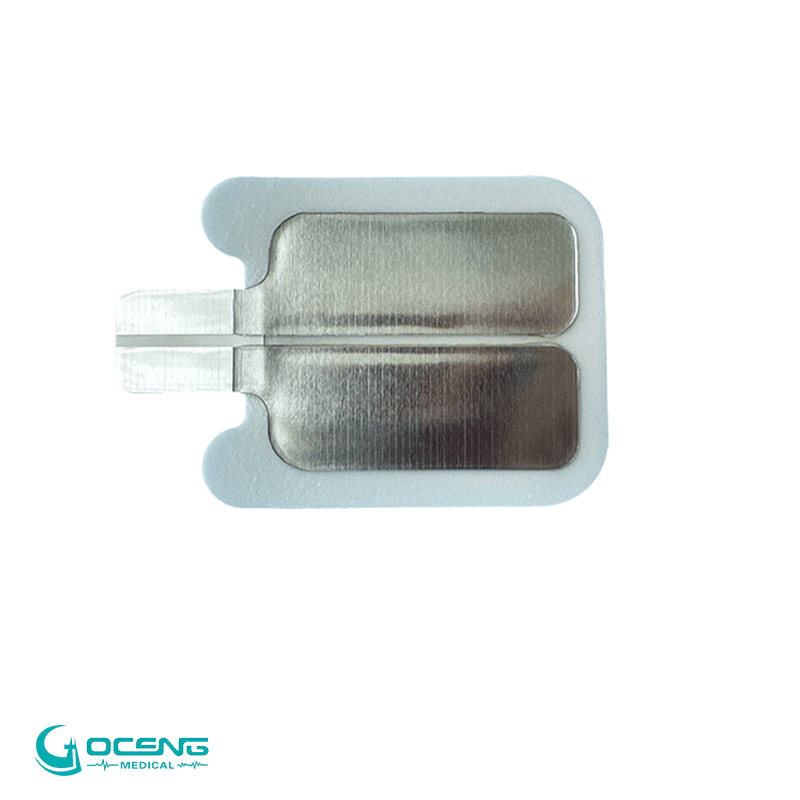
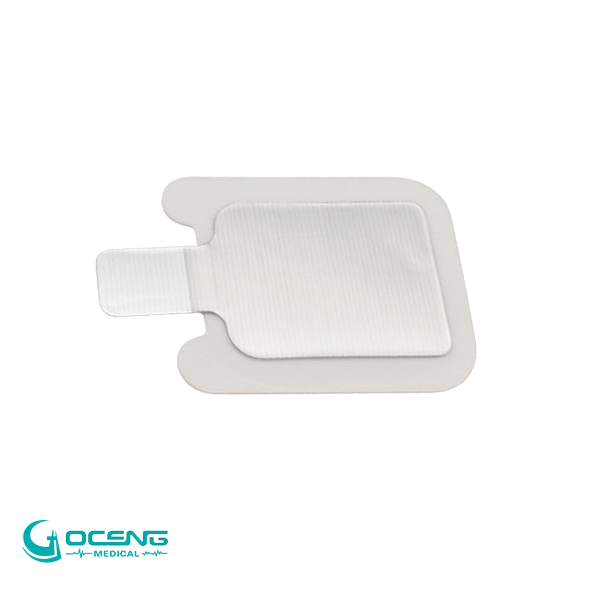
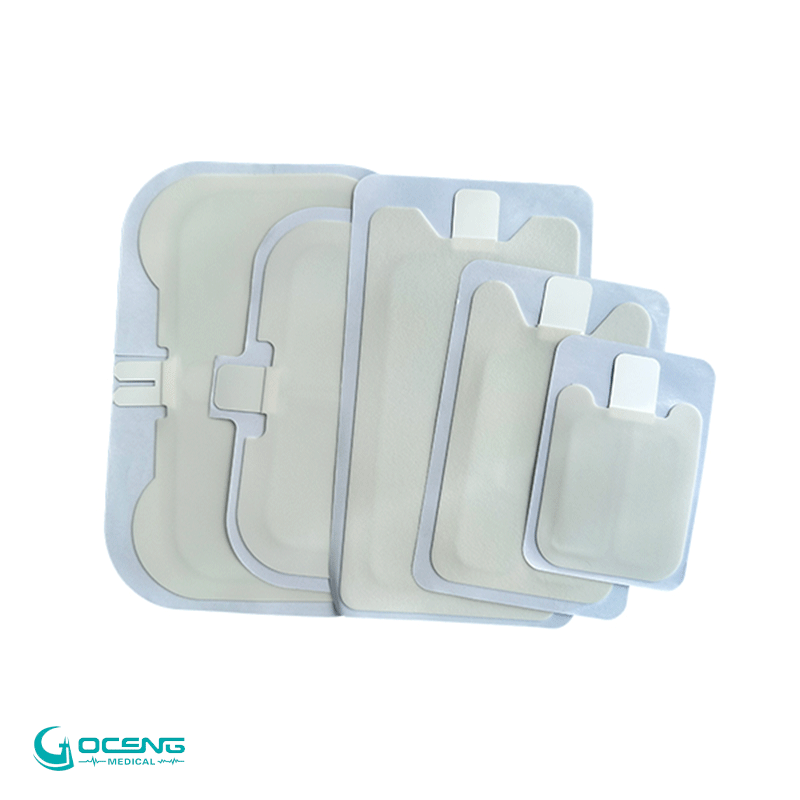
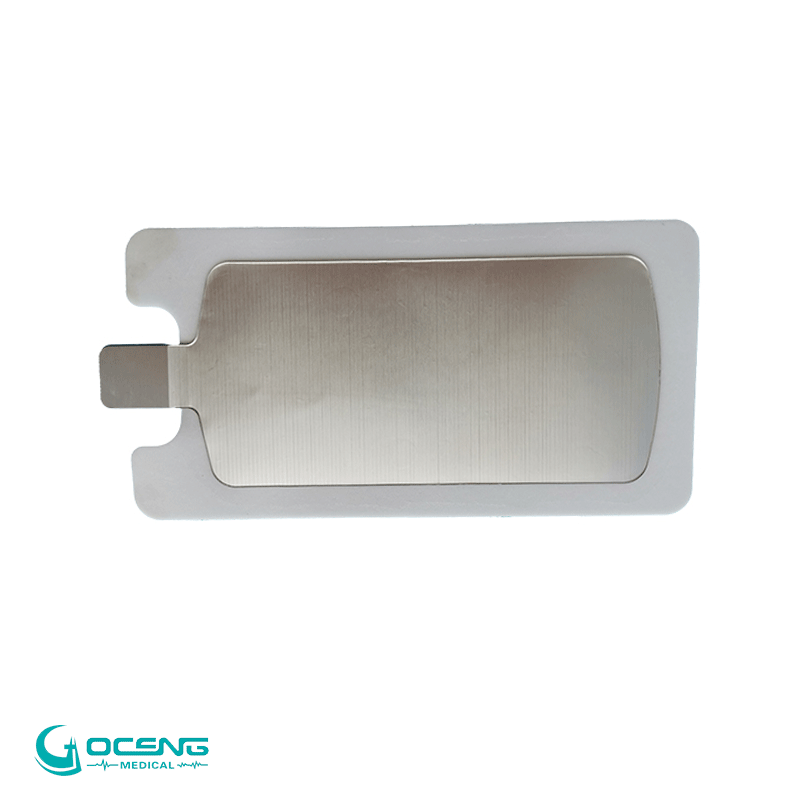
At the same time, the ECG electrode itself remains a critical part of the signal acquisition chain.
For ECG monitoring, electrode performance can directly influence:
• Signal stability
• Skin-electrode impedance
• Motion artifact
• Long-term adhesion
• Patient comfort
• Consistency of electrical signal transmission
This becomes even more important as ECG monitoring moves beyond traditional hospital environments toward Holter monitoring, wearable devices, remote patient monitoring and extended-wear applications.
Market research published in August 2026 also indicates continued growth in ECG electrodes, with particularly strong momentum in long-term monitoring applications where breathable substrates and low-motion-artifact designs are increasingly important.
AI may make ECG interpretation smarter — but reliable diagnosis still starts with reliable signal acquisition.
At Goceng Medical, we continue to focus on the fundamentals of ECG electrode performance: stable signal transmission, skin compatibility, adhesion and consistent manufacturing quality.
Because before an ECG can be interpreted by AI, the signal has to be captured correctly.
#ECG #ECGElectrode #CardiacMonitoring #WearableECG #Holter #RemotePatientMonitoring #MedicalDevices #MedicalElectrodes #HealthcareTechnology #GocengMedical