When designing an electrode, the conductive hydrogel is much more than a layer that helps the electrode stick to the skin. It plays an important role in the electrical interface, adhesion, flexibility, comfort, and overall performance of the finished electrode.
One factor that is often overlooked is hydrogel thickness.
A thicker hydrogel does not automatically mean better performance. Likewise, a thinner hydrogel is not necessarily the better choice. The appropriate thickness depends on the electrode construction, intended application, expected wearing time, skin contact requirements, and performance targets.
For electrode manufacturers and OEM customers, understanding the relationship between hydrogel thickness and electrode performance can help achieve a more suitable product design.
Why Does Hydrogel Thickness Matter?
Conductive hydrogel forms the interface between the electrode and the user's skin. Its properties can influence several aspects of electrode performance, including:
1. Electrical conductivity and skin-electrode contact
2. Adhesion to the skin
3. Flexibility and conformability
4. User comfort
5. Resistance to drying
6. Electrode durability during use
7. Ease of application and removal
These factors are interconnected. Changing the hydrogel thickness may affect more than one performance characteristic at the same time.
Therefore, hydrogel thickness should be selected as part of the overall electrode design rather than considered as an independent specification.
Thicker Hydrogel Does Not Always Mean Better Performance
It is easy to assume that a thicker hydrogel layer will provide stronger adhesion or better conductivity. In practice, the relationship is more complex.
A thicker hydrogel layer may provide a greater amount of conductive material and can offer good skin conformity. However, excessive thickness may also affect the flexibility, handling characteristics, or overall structure of the electrode.
For flexible electrodes applied to curved or moving areas of the body, the hydrogel needs to work together with the backing material and electrode construction so that the electrode can maintain stable skin contact during use.
On the other hand, a thinner hydrogel layer may be suitable when a low-profile and flexible electrode design is required.
The objective is therefore not to select the thickest or thinnest hydrogel, but to find the appropriate thickness for the intended application.
Hydrogel Thickness and Electrical Performance
For electrodes used to detect or deliver electrical signals, stable skin-electrode contact is essential.
In applications such as ECG monitoring, the hydrogel provides the interface between the conductive element and the skin. A well-designed hydrogel layer can help maintain consistent contact and support reliable signal acquisition.
For TENS and EMS electrodes, the requirements can be different because the electrode is used to transfer electrical stimulation to the body. Conductivity, contact stability, adhesion, and user comfort all need to be considered together.
However, hydrogel thickness alone does not determine electrical performance.
The final performance can also depend on:
1. Hydrogel formulation
2. Conductivity
3. Electrode material
4. Electrode size and geometry
5. Skin condition
6.Contact pressure
7. Backing material
8. Environmental conditions
This is why selecting hydrogel thickness should always be considered together with the complete electrode construction.
Hydrogel Thickness and Adhesion
Adhesion is another important consideration.
An electrode needs sufficient adhesion to remain securely attached during its intended period of use. At the same time, excessive adhesion may make the electrode uncomfortable to remove, particularly for applications involving sensitive skin.
Hydrogel thickness, adhesive properties, formulation, substrate, and electrode geometry can all influence the final adhesion performance.
For example, an electrode designed for short-term ECG monitoring may have different adhesion requirements from a reusable TENS electrode intended for repeated application.
The ideal design should balance:
Secure attachment + stable skin contact + comfortable removal
rather than simply maximizing adhesion.
Hydrogel Thickness and Flexibility
Modern electrodes are frequently designed for body areas that move or have curved surfaces.
The hydrogel needs to follow the movement and contours of the skin while maintaining sufficient contact.
If the complete electrode structure is too rigid, increasing hydrogel thickness may not solve the underlying problem. The backing material, conductive layer, hydrogel properties, and overall electrode structure must work together.
This is particularly important for:
1. TENS and EMS electrodes
2. Facial and beauty electrodes
3. Pediatric and neonatal electrodes
4. EMG electrodes
5. Electrodes applied to curved or mobile body areas
A well-balanced construction can provide both flexibility and stable contact.
Different Applications Require Different Hydrogel Designs
There is no single hydrogel thickness that is ideal for every electrode.
ECG Electrodes
ECG electrodes are designed for signal acquisition and require stable skin contact and reliable electrical performance.
Hydrogel selection should consider signal quality, adhesion, skin compatibility, expected application time, and storage stability.
TENS / EMS Electrodes
TENS and EMS electrodes must transfer electrical stimulation effectively while remaining comfortable and securely attached to the skin.
For reusable electrodes, adhesion retention and durability during repeated use are also important considerations.
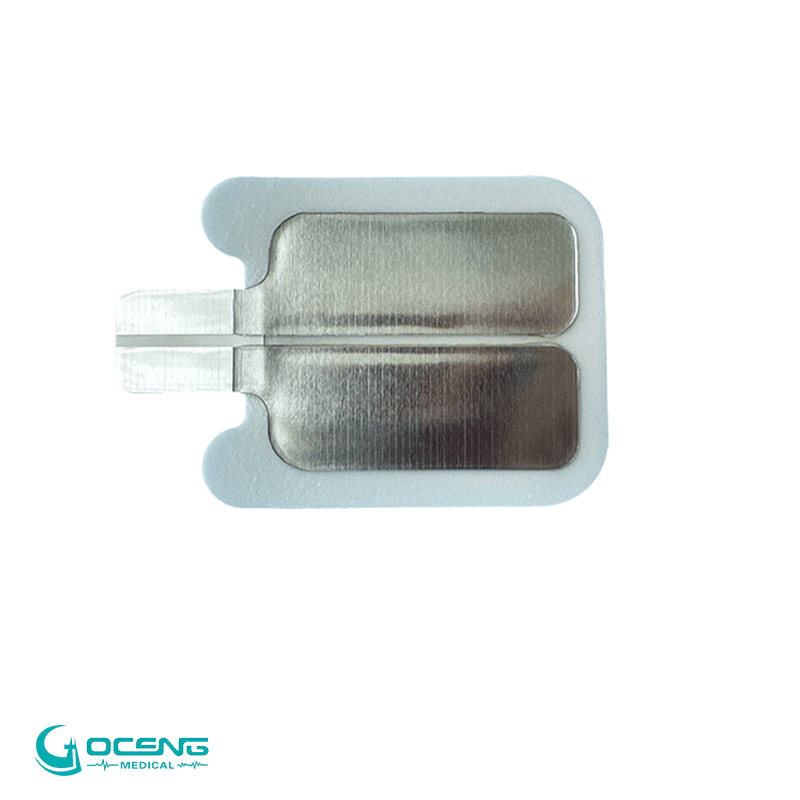
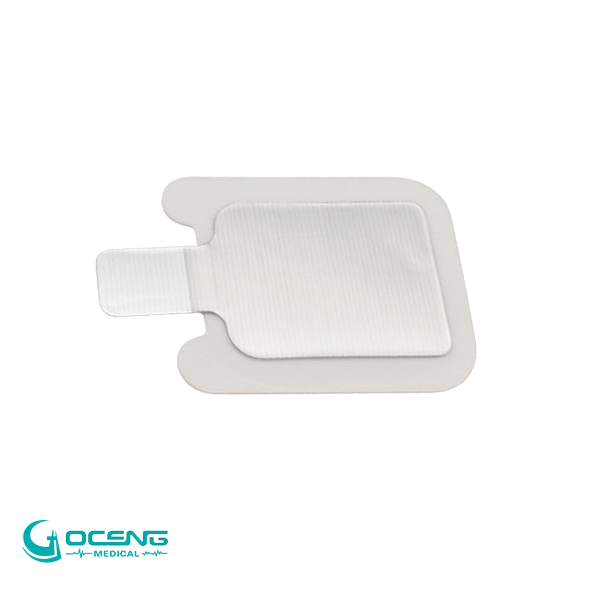
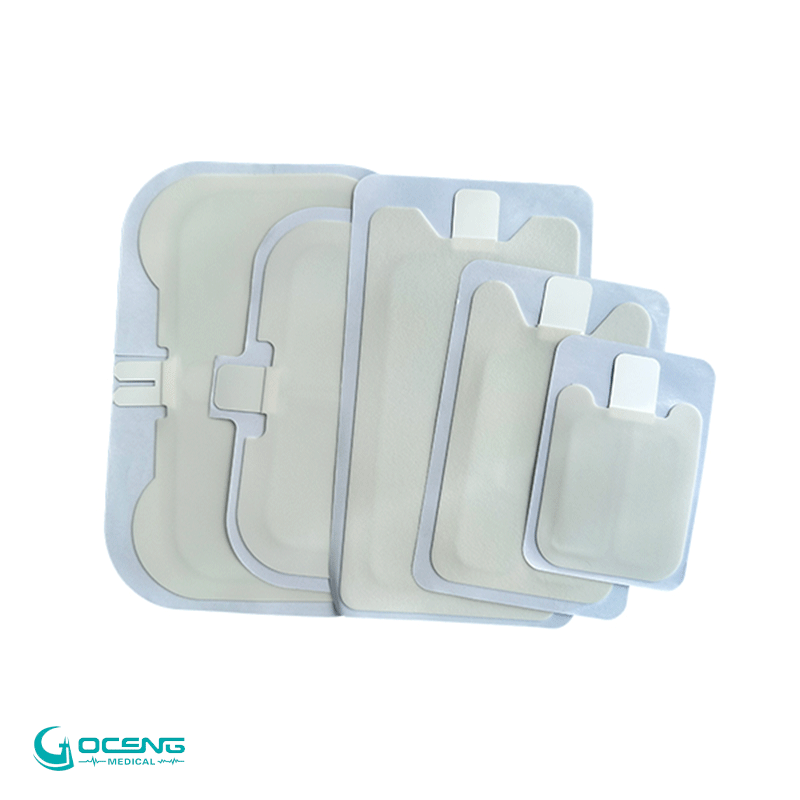
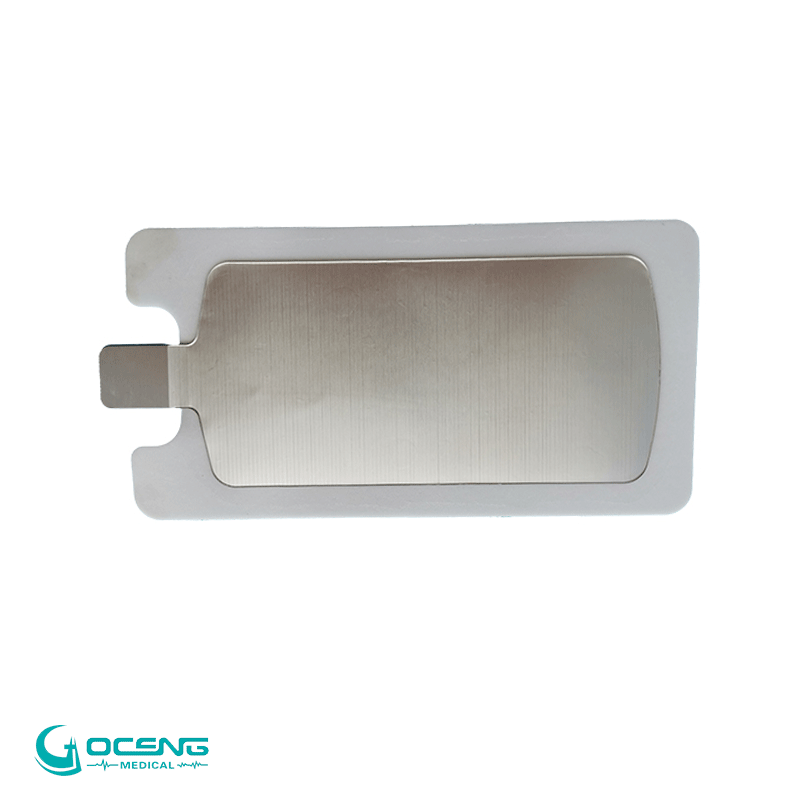
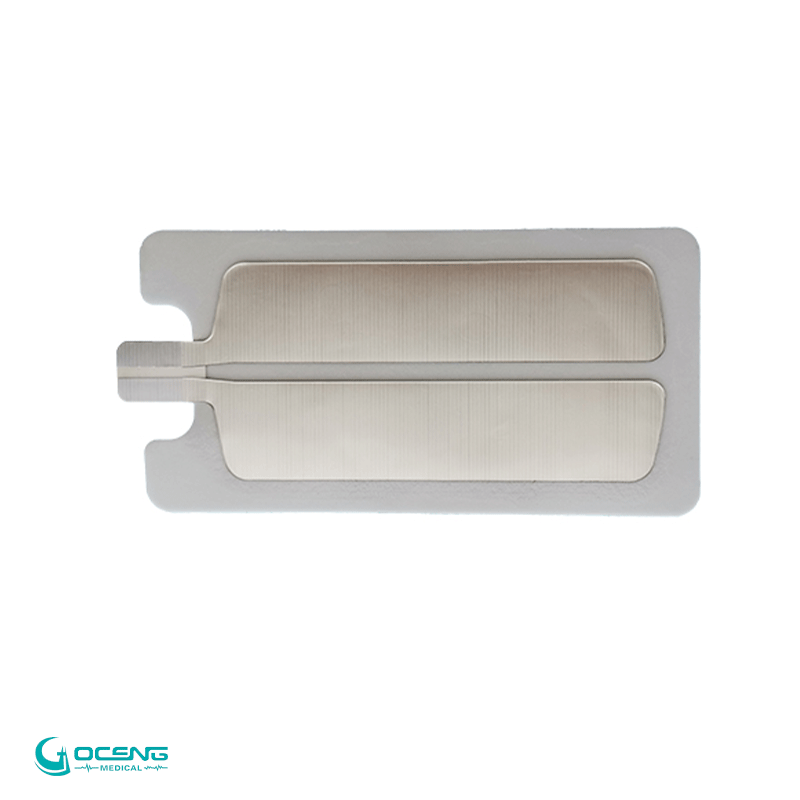
Electrosurgical Return Electrodes
Neutral or return electrodes have different design requirements because they are intended to provide a large and stable contact area between the patient and the electrical return path.
Hydrogel selection needs to be considered together with electrode size, current distribution, adhesion, and contact stability.
Neonatal and Sensitive-Skin Electrodes
For neonatal applications and other sensitive-skin applications, comfort and gentle skin contact become particularly important.
A suitable hydrogel formulation and electrode construction should be evaluated as a complete system rather than relying on thickness alone.
Facial and Beauty Electrodes
Facial electrodes often need to conform closely to smaller and more curved areas of the skin.
Flexibility, comfort, adhesion, and skin conformity can therefore become more important design considerations.
Choosing the Right Hydrogel Thickness for an OEM Electrode
For an OEM project, hydrogel thickness should be determined according to the complete product specification.
Before selecting a thickness, manufacturers and customers should consider:
1. Intended use – signal acquisition, electrical stimulation, electrosurgical application, or other use.
2. Application area – flat, curved, large, small, or highly mobile areas of the body.
3. Expected wearing time – short-term or longer-duration application.
4. Adhesion requirements – initial adhesion and, where applicable, repeated-use performance.
5. Electrical requirements – conductivity, impedance, and stable skin contact.
6. Skin requirements – comfort and appropriate skin compatibility.
7. Electrode construction – backing material, conductive layer, connector, and overall geometry.
8. Storage conditions – packaging and environmental conditions can affect hydrogel stability over time.
This approach allows the hydrogel to be selected based on the actual requirements of the finished electrode rather than simply choosing a standard thickness.
Goceng Medical: Conductive Hydrogel and OEM Electrode Solutions
At Goceng Medical, conductive hydrogel is an important part of our electrode manufacturing capability.
We work with different electrode constructions and hydrogel thicknesses to support applications including TENS/EMS electrodes, ECG electrodes, neutral/return electrodes, and other customized electrode products.
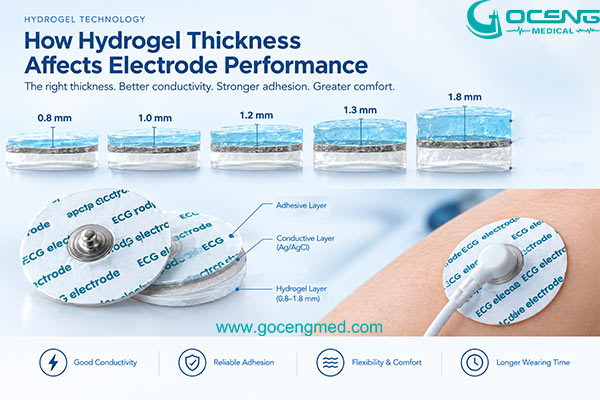
Our available hydrogel thickness options include approximately 0.8 mm, 1.0 mm, 1.2 mm, 1.3 mm, and 1.8 mm, depending on the product construction and application requirements.
For OEM and customized electrode projects, hydrogel selection can be evaluated together with the electrode material, size, shape, connector, backing, packaging, and intended application.
The goal is not simply to provide a thicker or thinner hydrogel. It is to develop an electrode construction that provides the appropriate balance of conductivity, adhesion, flexibility, comfort, and stability for the intended use.
If you are developing a new electrode or looking for an OEM manufacturing partner, Goceng Medical can work with you to evaluate the electrode construction and hydrogel requirements for your application.