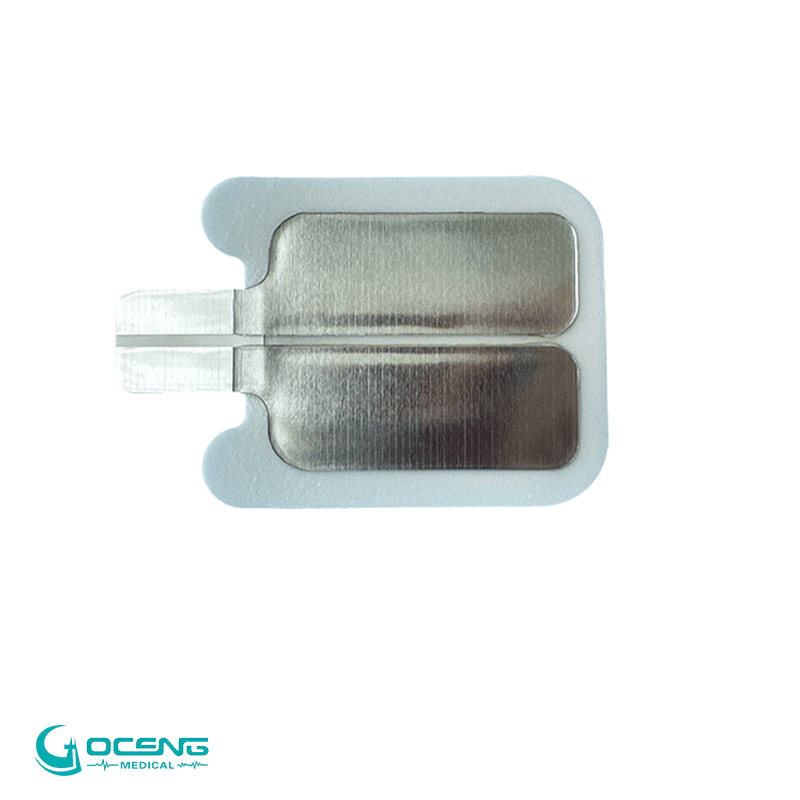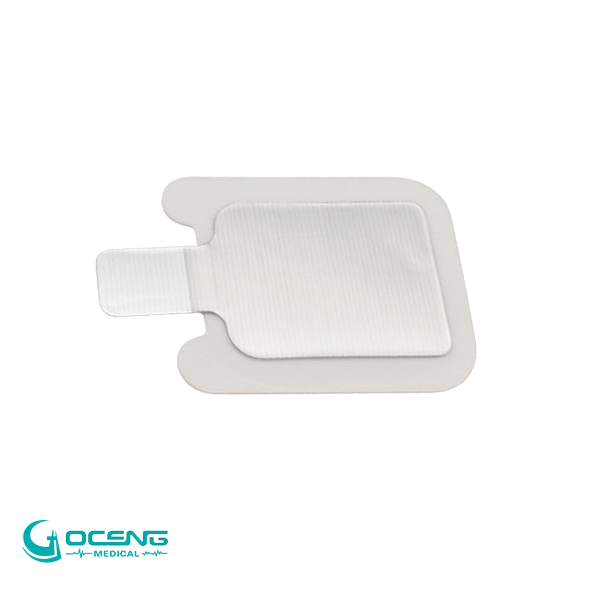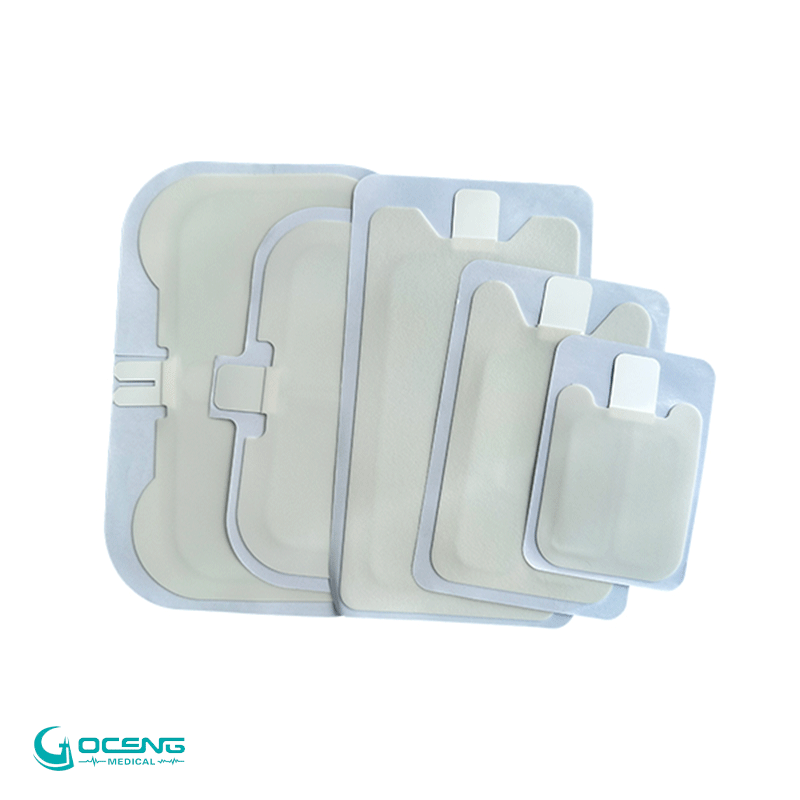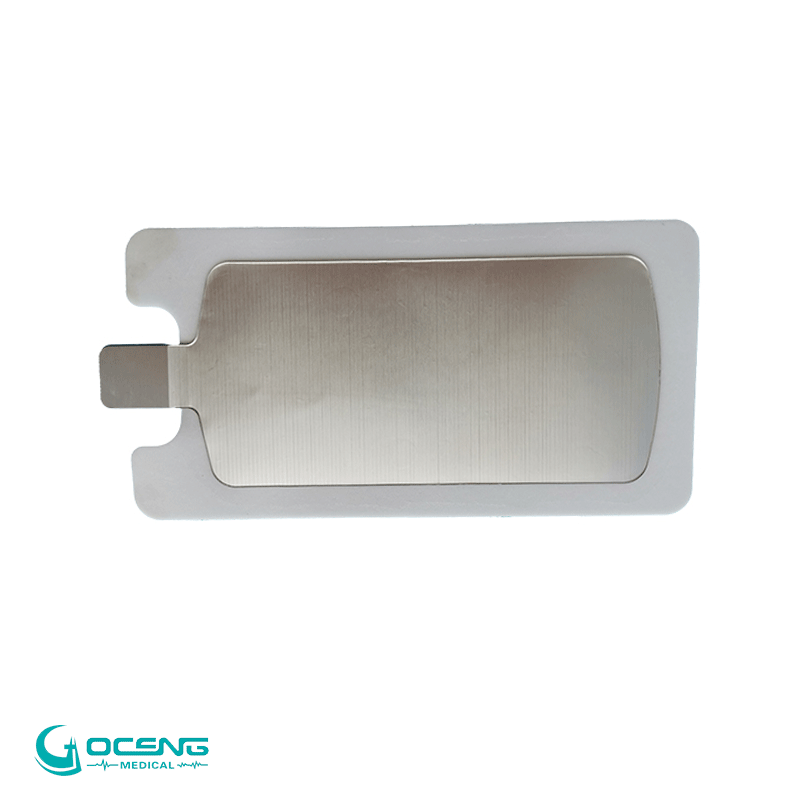
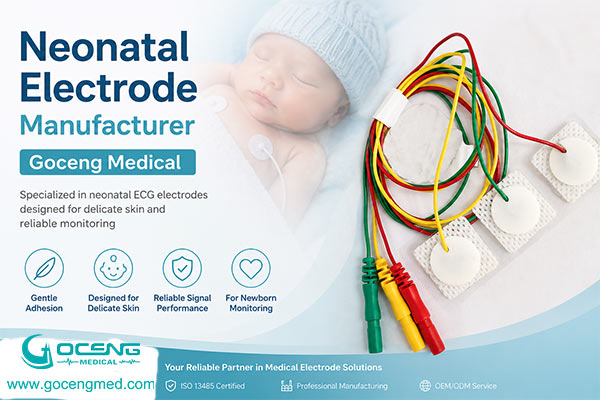
When ECG monitoring is performed on newborns, every millimeter matters.
Neonatal monitoring presents a different set of design challenges compared with adult patient monitoring. A newborn has a much smaller body surface, limited space for electrode placement and more delicate skin. These factors influence how an ECG electrode should be designed and manufactured.
For medical device manufacturers developing neonatal monitoring solutions, the electrode is therefore an important part of the overall system.
Why Neonatal Electrodes Require a Different Approach
An adult ECG electrode cannot simply be reduced in size and automatically become an appropriate neonatal electrode.
The available placement area on a newborn's body is limited. At the same time, medical staff may need to position several electrodes in carefully selected locations.
This creates several design considerations:
- Compact overall dimensions
- Appropriate electrode geometry
- Flexible construction
- Controlled adhesive area
- Easy application by medical staff
- Easy removal after monitoring
- Compatibility with neonatal monitoring equipment
The final design needs to balance these requirements rather than focusing on a single performance characteristic.
Size and Shape Matter
One of the most obvious differences between neonatal and conventional ECG electrodes is physical size.
A smaller electrode can provide healthcare professionals with greater flexibility when working with the limited surface area of a newborn's body.
However, reducing the size of an electrode also requires careful consideration of the internal structure. The conductive area, adhesive area, backing material and connector all need to be appropriately coordinated.
For this reason, neonatal electrode development often involves more than simply changing the dimensions of an existing adult electrode.
Application and Removal Are Equally Important
Neonatal electrodes may remain attached during monitoring, so the application process needs to be practical for healthcare professionals.
The electrode should be easy to handle, position and secure without creating unnecessary complexity during patient care.
Removal is another important consideration.
Because neonatal skin is particularly delicate, the adhesive structure and removal characteristics should be considered during product development. A design that is easy to apply but difficult to remove may not provide the best overall user experience.
Supporting Continuous Clinical Observation
Neonatal ECG monitoring may take place in environments where medical staff need to observe the patient's condition continuously.
In these situations, the electrode must remain appropriately positioned while the patient is being cared for or moved.
The mechanical construction of the electrode can therefore influence its practical performance. Flexible backing materials, suitable adhesive structures and an appropriately designed electrode footprint can help the electrode adapt to the patient's body.
Different Applications, Different Electrode Designs
There is no single electrode design suitable for every neonatal application.
Depending on the monitoring system and intended use, manufacturers may require different:
- Electrode dimensions
- Shapes
- Backing materials
- Conductive sensor configurations
- Connector types
- Adhesive structures
- Packaging formats
For medical device companies, the ability to develop a specific electrode structure can be important when creating a new neonatal monitoring product.
Goceng Medical: Manufacturing Experience in Medical Electrodes
Goceng Medical specializes in the manufacturing of medical electrodes and electrode-related materials.
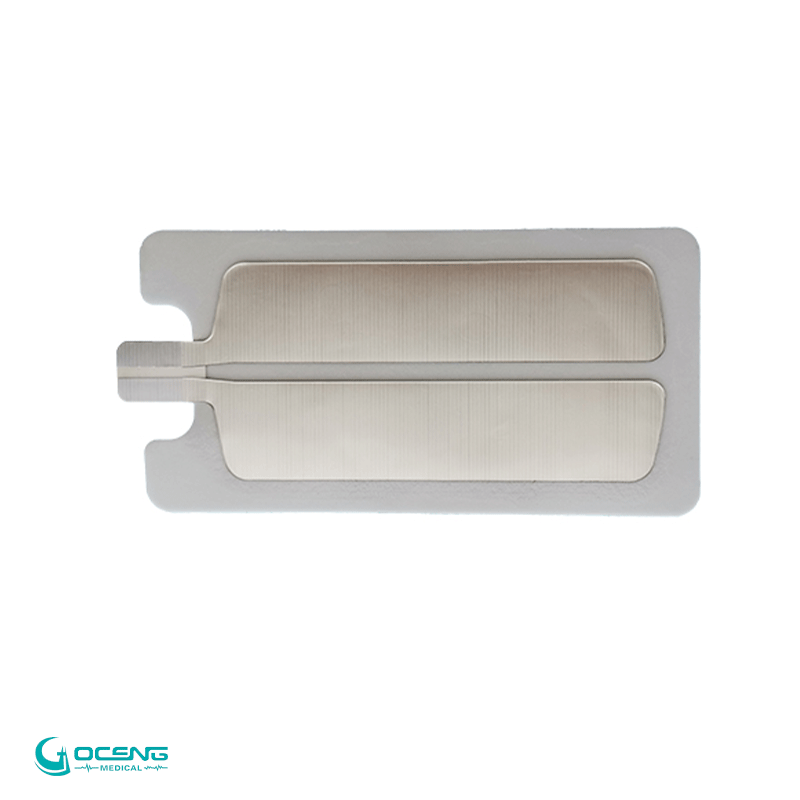
Our manufacturing capabilities include ECG electrodes, TENS/EMS electrodes, neutral electrodes and conductive hydrogel.
For neonatal electrode projects, we can support customers with electrode structure development, material selection, sample production and customized manufacturing based on the intended application.
The smallest patients often require the greatest attention to product details. For neonatal ECG electrodes, size, structure, handling and skin-contact design all need to be considered together.
Goceng Medical — Developing Medical Electrodes for Specialized Applications