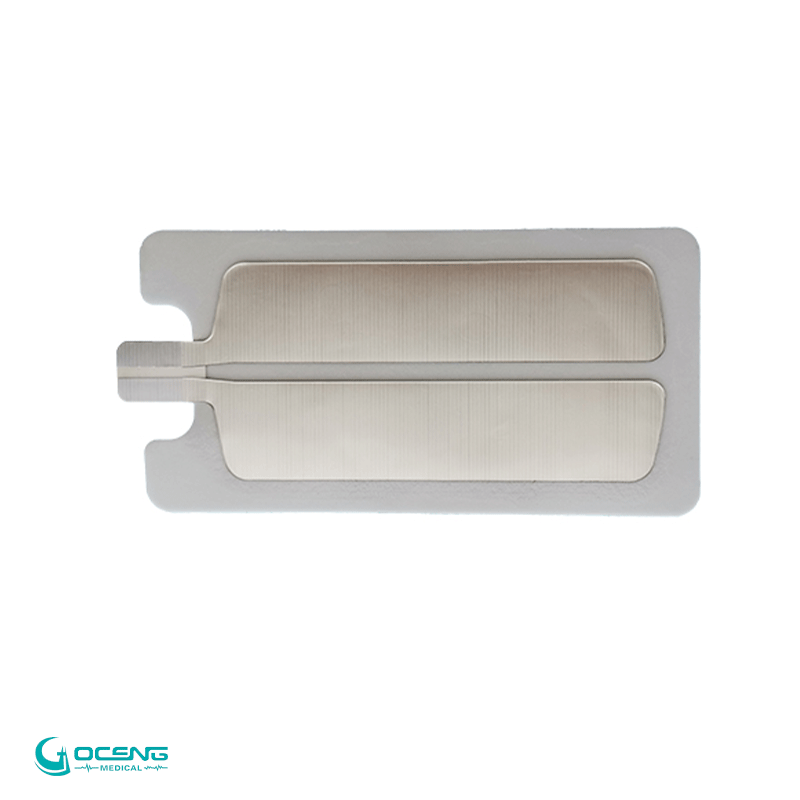
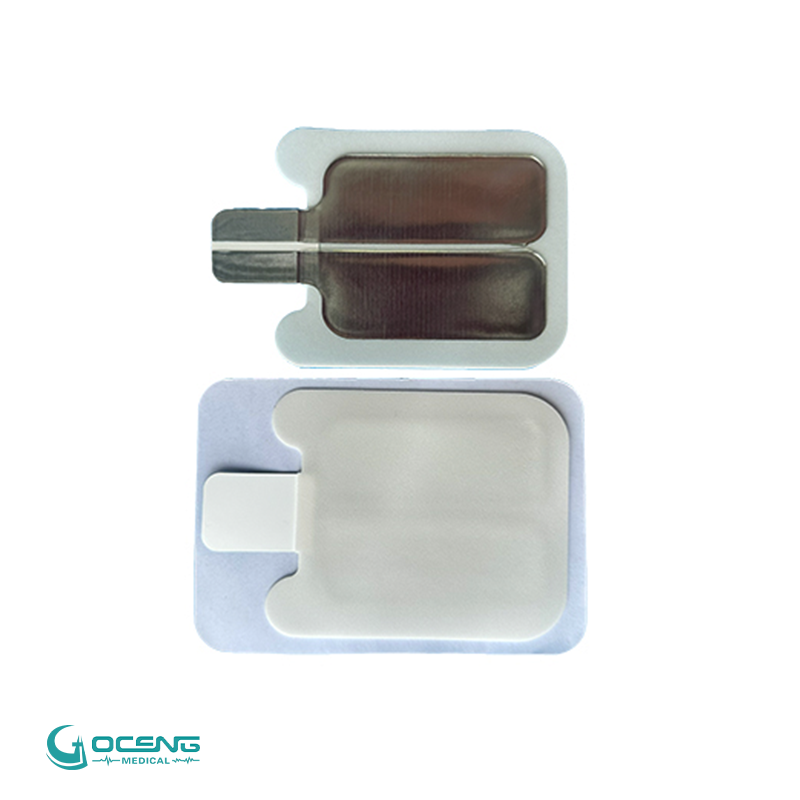
Electrosurgical procedures are routinely performed in both adult and pediatric patients. While the principles of electrosurgery remain the same, pediatric patients require specially designed neutral electrodes (return electrodes) to ensure safety during surgery.
Using adult-sized grounding pads on infants or children may increase the risk of poor contact and thermal injury.
1. Children Have Smaller Body Surface Areas
The primary function of a neutral electrode is to safely return electrical current from the patient to the electrosurgical generator.
Adult grounding pads are designed for larger body surfaces. When applied to pediatric patients, the contact area may be excessive or difficult to position properly.
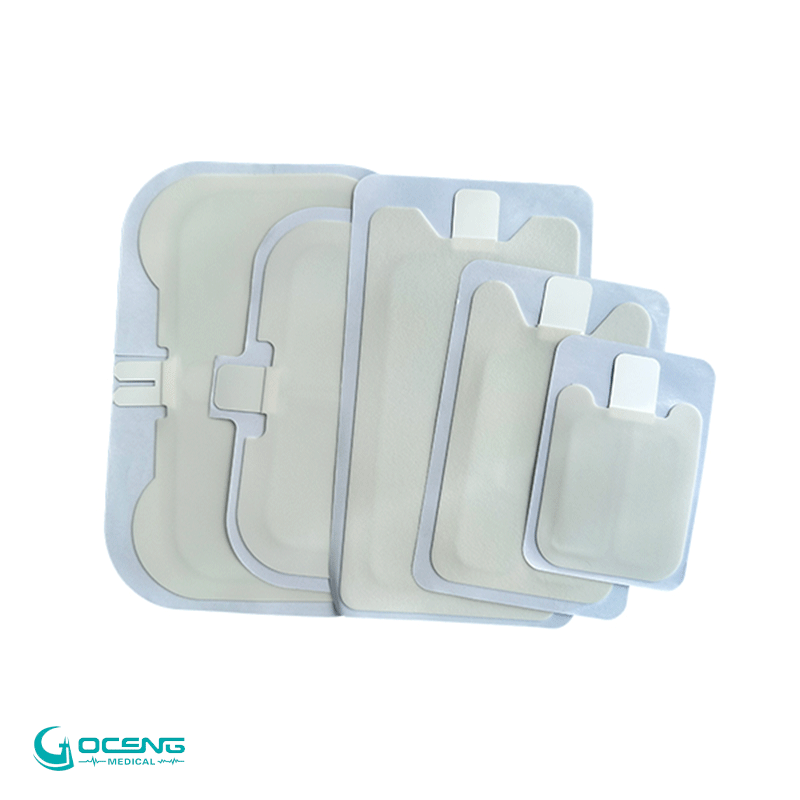
Pediatric neutral electrodes are specifically designed to match the anatomy of infants and children, ensuring adequate contact and current dispersion.
2. Reduced Risk of Skin Burns
Current density increases when the effective contact area decreases.
If a grounding pad does not fully adhere to the skin, electrical current may become concentrated in smaller areas, potentially causing localized heating.
Specialized pediatric electrodes help:
- Improve skin conformity
- Maintain uniform contact
- Distribute current more evenly
This significantly reduces the risk of return-site burns.
3. Gentler Adhesive for Sensitive Skin
Children's skin is thinner and more delicate than adult skin.
Medical-grade pediatric electrodes often utilize:
- Softer adhesives
- Skin-friendly hydrogels
- Low-trauma removal designs
These features help minimize skin irritation during and after surgery.
4. Better Fit for Challenging Surgical Positions
Pediatric patients frequently undergo procedures where available pad placement locations are limited.
Smaller electrode designs provide greater flexibility and allow clinicians to place the electrode on suitable anatomical sites without compromising safety.
5. Compatibility with Modern Contact Quality Monitoring Systems
Many advanced electrosurgical generators incorporate Contact Quality Monitoring (CQM) technology.
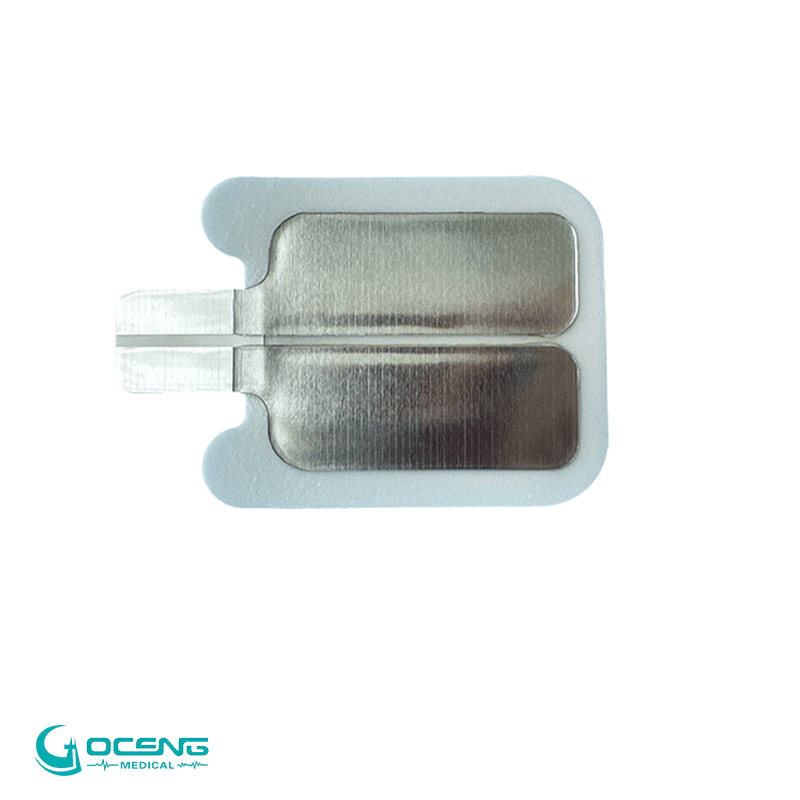
Pediatric split-type neutral electrodes are engineered to work with these monitoring systems, allowing the generator to continuously evaluate pad contact quality throughout the procedure.
This additional safety feature helps reduce the likelihood of thermal injury caused by inadequate electrode contact.
Key Features of Pediatric Neutral Electrodes
- Optimized size for infants and children
- Uniform current distribution
- Soft, skin-friendly adhesive
- Reliable conductivity
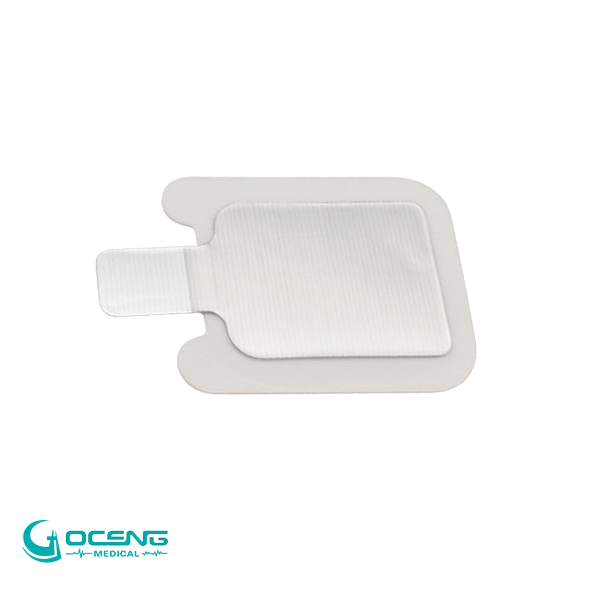
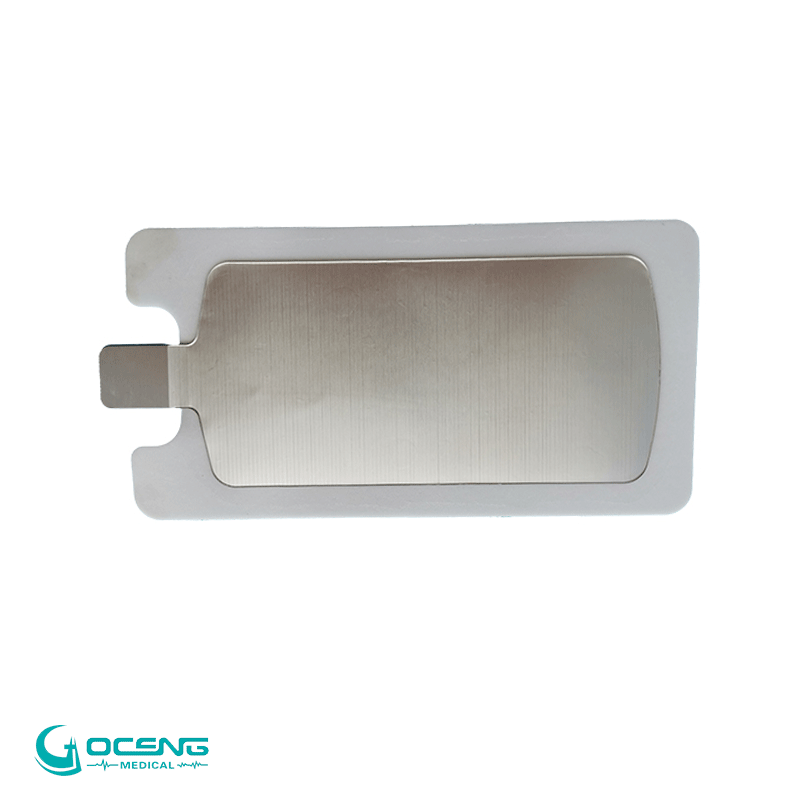
- Available in split and solid configurations
- Compatible with modern electrosurgical generators
Conclusion
Patient safety remains the highest priority in pediatric surgery. Specialized pediatric neutral electrodes are designed to address the unique anatomical and physiological characteristics of children, helping reduce burn risk, improve contact reliability, and enhance overall surgical safety.
Goceng Medical manufactures a complete range of disposable neutral electrodes for adult, pediatric, and neonatal applications. Our products are designed for reliable conductivity, excellent adhesion, and compatibility with major electrosurgical systems worldwide. OEM and private-label services are available for global distributors and medical device brands.
Check more at : www.gocengmed.com