Understanding electrode materials, hydrogel adhesion, and reusable performance
TENS (Transcutaneous Electrical Nerve Stimulation) and EMS (Electrical Muscle Stimulation) devices rely on electrode pads to deliver electrical stimulation through the skin. Although the control unit determines the selected stimulation program, electrode pad design also plays an important role in skin contact, electrical conduction, and the overall user experience.
For device manufacturers, distributors, and rehabilitation equipment brands, understanding the key components of TENS and EMS electrode pads helps support product selection and supplier evaluation.
1. Conductive Hydrogel and Skin Contact
Conductive hydrogel provides the interface between the electrode pad and the skin. Its formulation, thickness, and distribution can influence adhesion, electrical contact, and ease of removal.
A suitable hydrogel should provide consistent skin contact throughout the intended use period. Material selection should consider the electrode's intended application, storage conditions, and compatibility with the backing material.
2. Electrode Structure and Material Selection
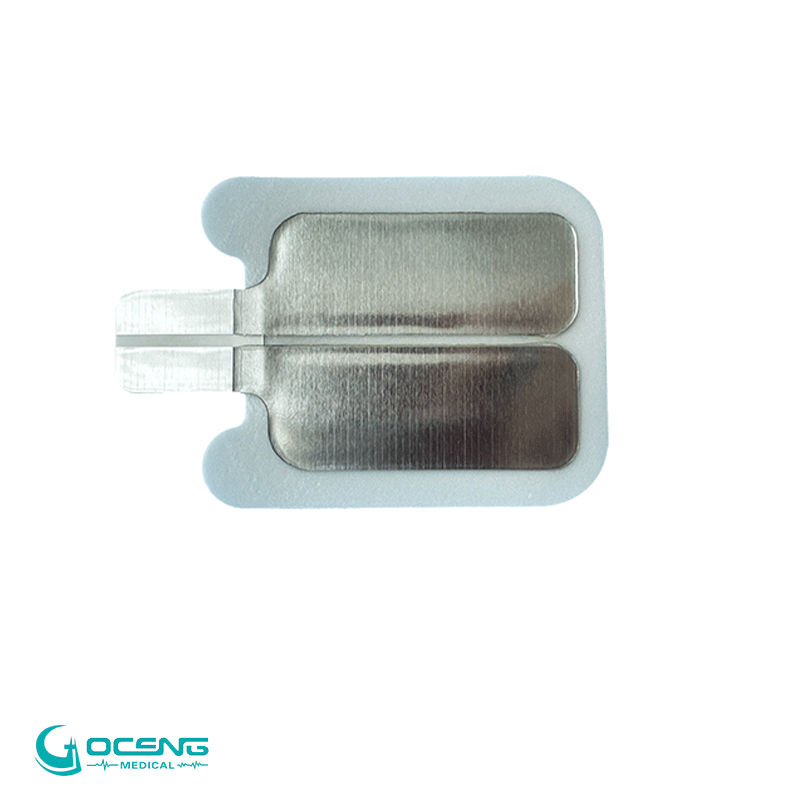
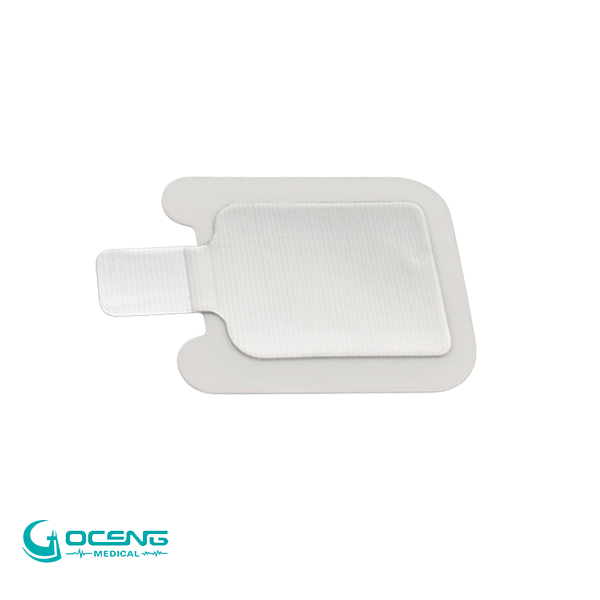
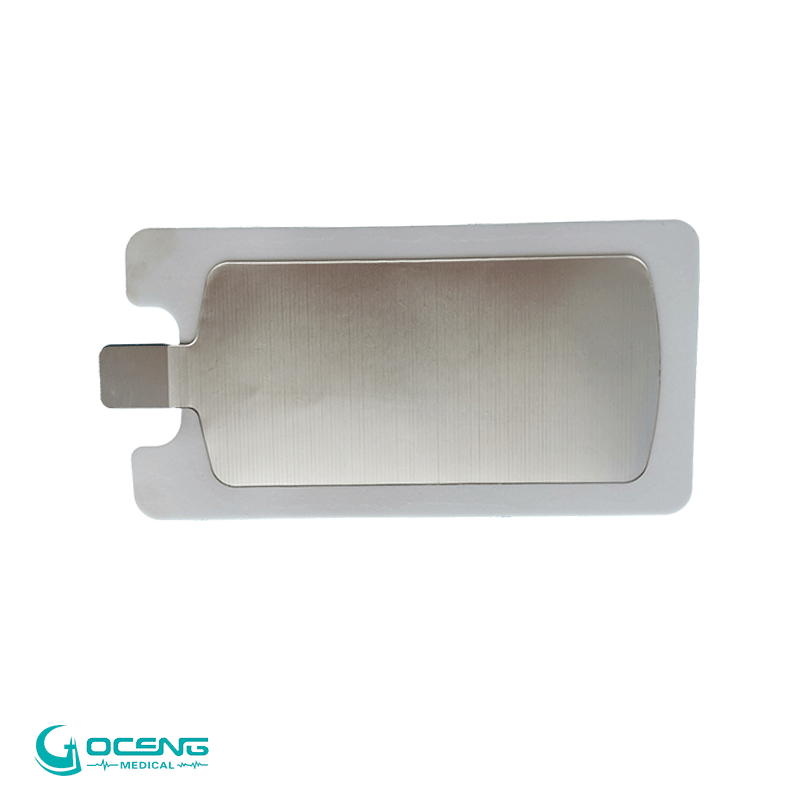
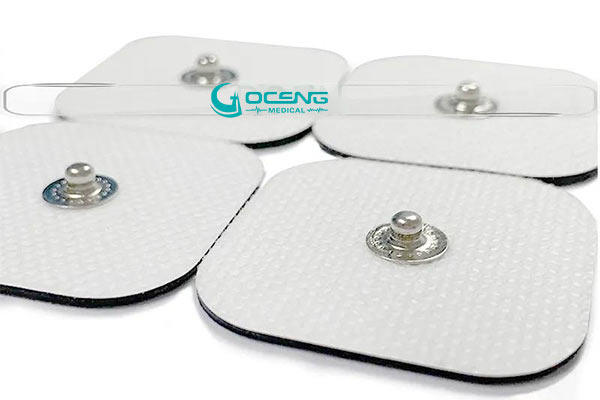
Reusable TENS and EMS electrode pads may incorporate conductive carbon materials, flexible backing films, conductive connectors, and hydrogel layers.
Each component serves a different function. The backing material provides flexibility and structural support, while the conductive layer helps distribute electrical current across the contact area. Connector design must also be compatible with the corresponding stimulation device.
The appropriate structure depends on the intended application, electrode dimensions, device interface, and required reuse characteristics.
3. Adhesion and Reusability
For reusable electrode pads, adhesion should remain suitable throughout the specified reuse period. Important evaluation factors include initial tack, adhesion after repeated application, hydrogel integrity, and residue during removal.
Reusability should be validated under defined test conditions rather than determined by a single application test. Actual performance may vary with skin condition, cleaning practices, storage, and frequency of use.
4. Quality Control During Manufacturing
A consistent manufacturing process helps reduce variation between production batches. Relevant quality checks may include:
- Visual inspection of electrode structure and appearance
- Connector attachment and dimensional verification
- Hydrogel coating consistency
- Adhesion and electrical performance testing
- Packaging integrity and storage-condition controls
The specific inspection plan should reflect the product specification and intended use.
5. OEM and Private-Label Electrode Pad Solutions
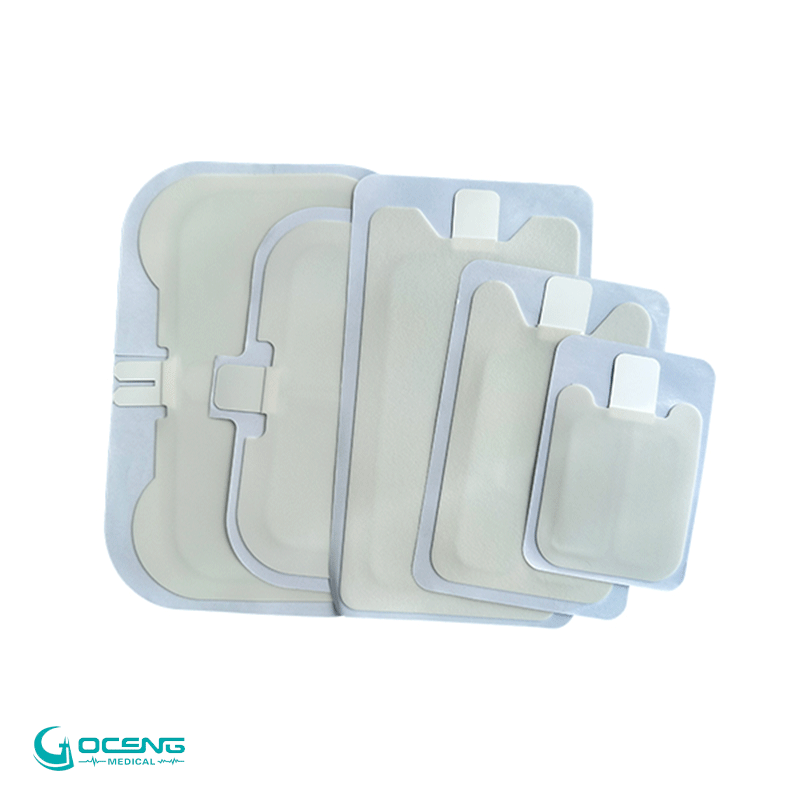
Medical device manufacturers and rehabilitation equipment brands may require customized electrode dimensions, connector configurations, backing materials, hydrogel specifications, and private-label packaging.
When evaluating an OEM supplier, buyers should review product specifications, sample performance, manufacturing consistency, quality documentation, and the evidence supporting the intended product claims.
Goceng Medical Supplies provides electrode pad solutions for TENS and EMS applications, supporting OEM and private-label requirements according to agreed product specifications.
Looking for a TENS or EMS electrode pad supplier?
Contact Goceng Medical to discuss electrode dimensions, connector options, hydrogel requirements, reusable designs, and customized packaging.
Website: www.gocengmed.com
Email: info@gocengmed.com