Wearable medical technology is moving toward more continuous, personalized, and proactive healthcare.
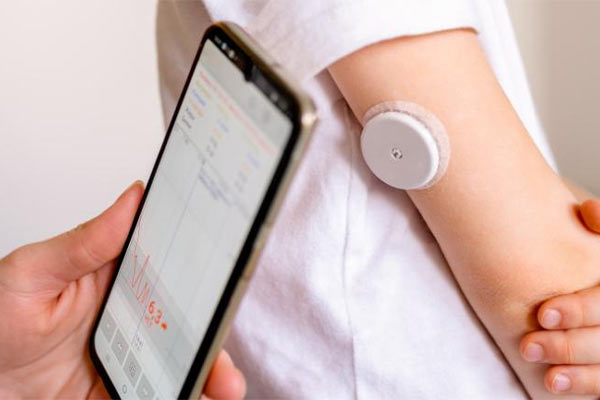
On November 4, 2026, MIT announced a new research initiative supported by up to $38 million in funding from the U.S. Advanced Research Projects Agency for Health (ARPA-H). The project aims to develop a low-power, non-invasive wearable patch capable of continuously monitoring biomarkers associated with heart failure and sepsis.
The technology is designed to collect physiological information directly from interstitial fluid beneath the skin. By combining advanced sensing technologies, microelectronics, and artificial intelligence, the research team hopes to enable earlier detection of potential health risks and provide more useful information for clinical decision-making.
From Periodic Testing to Continuous Health Monitoring
Traditional medical testing often provides information at specific points in time. However, many health conditions require continuous observation to identify changes that may occur between individual measurements.
Wearable medical patches offer a promising approach by enabling ongoing data collection while allowing patients to maintain their daily activities.
Emerging applications include:
- Cardiac monitoring: Continuous tracking of physiological indicators related to cardiovascular health.
- Remote patient monitoring: Supporting healthcare professionals in observing patients outside traditional clinical settings.
- Multi-parameter monitoring: Combining different sensing technologies to collect complementary physiological information.
- Early health risk detection: Identifying potentially abnormal changes through continuous data analysis.
As wearable healthcare technologies develop, the integration of sensors, flexible materials, wireless communication, and intelligent data processing is becoming increasingly important.
Why Skin-Contact Technology Matters
The performance of wearable medical devices depends not only on their electronic components but also on the quality and reliability of their interaction with the human body.
For devices using skin-contact electrodes, several factors can influence signal acquisition and user experience:
- Stable skin contact: Consistent electrode adhesion helps maintain reliable electrical contact.
- Conductive performance: Appropriate conductive materials and hydrogel formulations support effective signal transmission.
- Skin compatibility: Materials should be selected with consideration for skin contact safety and wearing comfort.
- Flexible design: Flexible electrode structures can better adapt to different body locations and movements.
- Long-term adhesion: Reliable adhesive performance is important for applications requiring extended monitoring periods.
These considerations are particularly relevant to ECG, EMG, and other wearable physiological monitoring applications.
The Growing Role of Medical Electrodes in Digital Healthcare
As digital health solutions continue to evolve, medical electrodes remain an important component of many physiological monitoring systems.
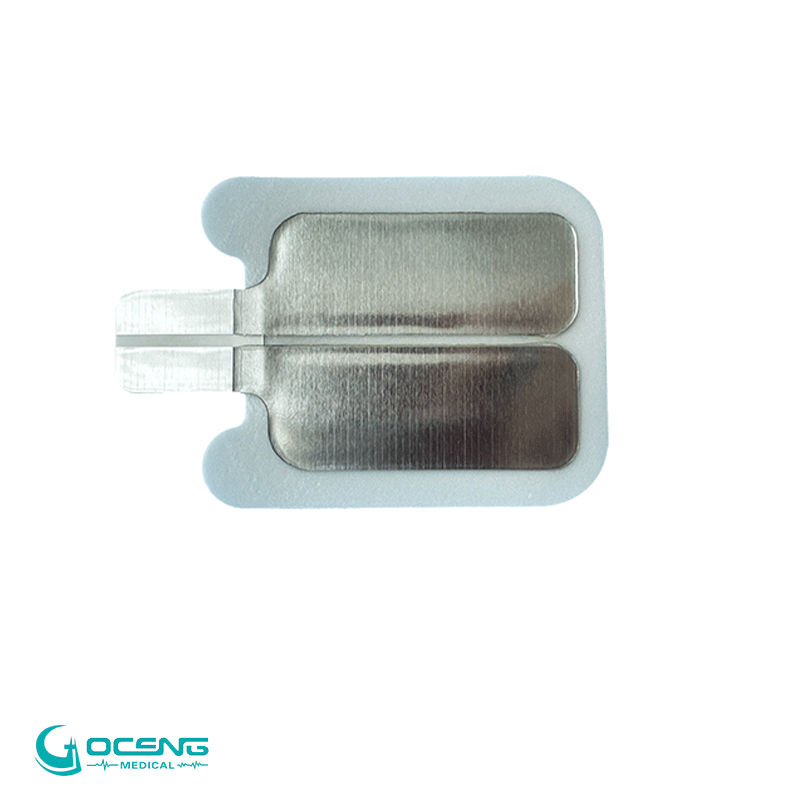
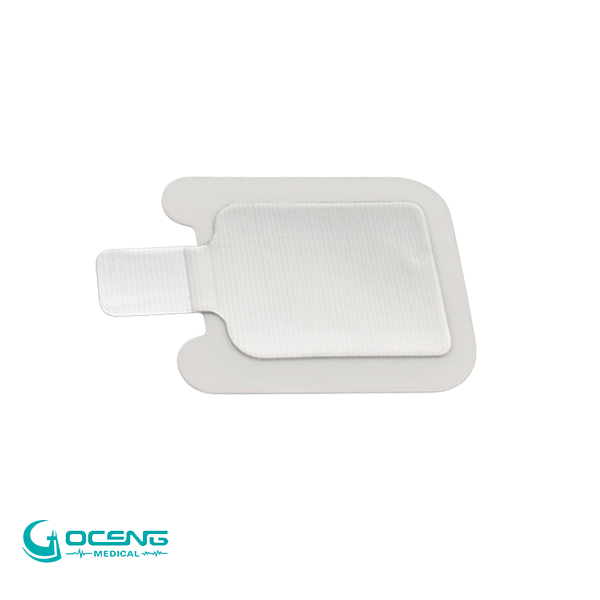
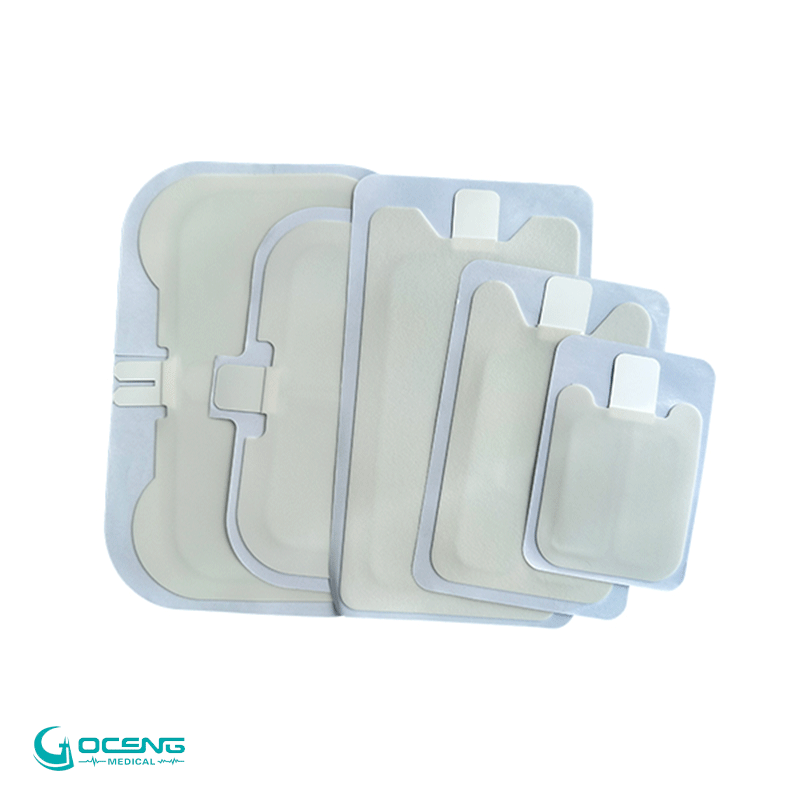
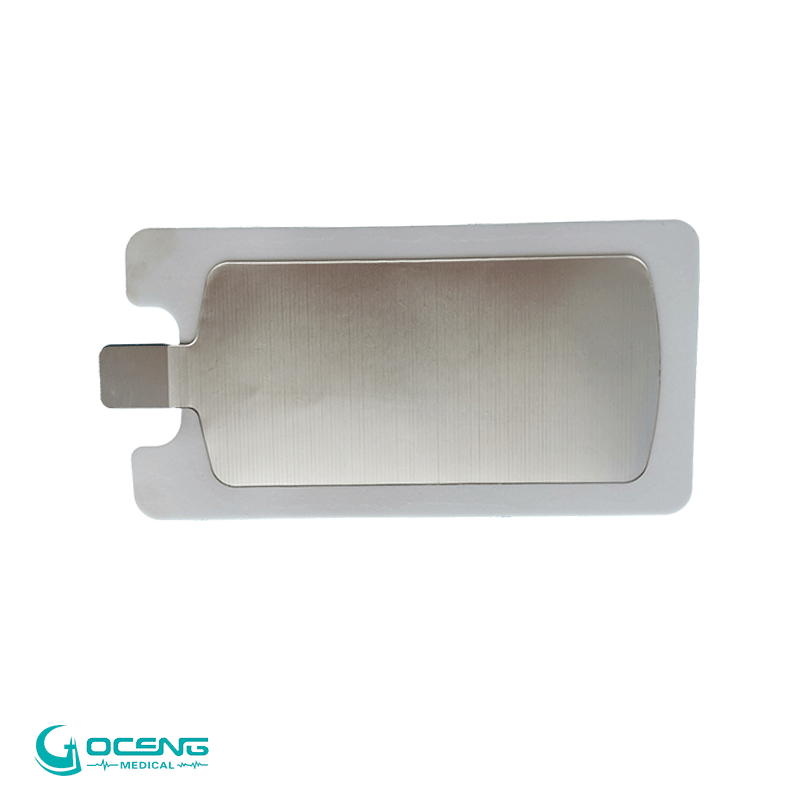
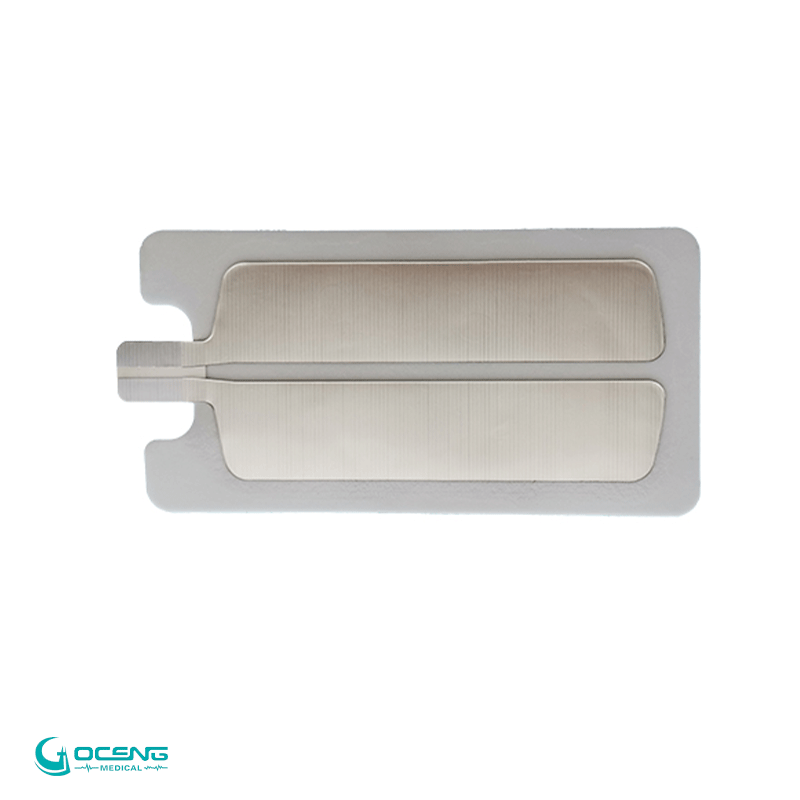
From conventional ECG electrodes to flexible wearable electrode patches, improvements in electrode materials, conductive hydrogels, adhesive structures, and product design can contribute to better device usability and signal acquisition reliability.
For medical device manufacturers, selecting suitable electrode solutions and developing customized designs according to specific application requirements are important steps in product development.
At Goceng Medical, we focus on the development and supply of medical electrode products, including TENS/EMS electrodes, disposable ECG electrodes, and conductive hydrogel solutions. We support OEM and customized electrode requirements for medical device manufacturers and healthcare technology companies.
As wearable healthcare continues to advance, we believe reliable skin-contact materials and electrode solutions will remain an essential part of connected medical technologies.
Goceng Medical – Medical Electrode Solutions for Healthcare Technology.