Wearable healthcare technology is transforming the way cardiovascular health is monitored. From smartwatches and portable ECG devices to wearable ECG patches and smart clothing, new technologies are creating more opportunities for convenient and continuous cardiac monitoring.
On November 3, 2026, Current Cardiology Reports published a review titled "Wearable Arrhythmia Detection: Moving from your Watch to your Shirt?" The article examines the latest developments in wearable technologies for detecting and monitoring cardiac arrhythmias, particularly atrial fibrillation (AF).
The review highlights the growing role of wearable ECG devices, smart garments, and artificial intelligence in supporting cardiovascular screening and remote patient monitoring.
1. The Evolution of Wearable ECG Monitoring
Traditional ECG examinations are generally performed in hospitals or clinics, providing a snapshot of the heart's electrical activity at a particular moment.
Wearable ECG technologies offer a different approach by allowing users to record cardiac signals during their daily activities.
Current wearable ECG solutions include:
- Smartwatches: Integrated electrodes enable single-lead ECG recordings for convenient heart rhythm screening.
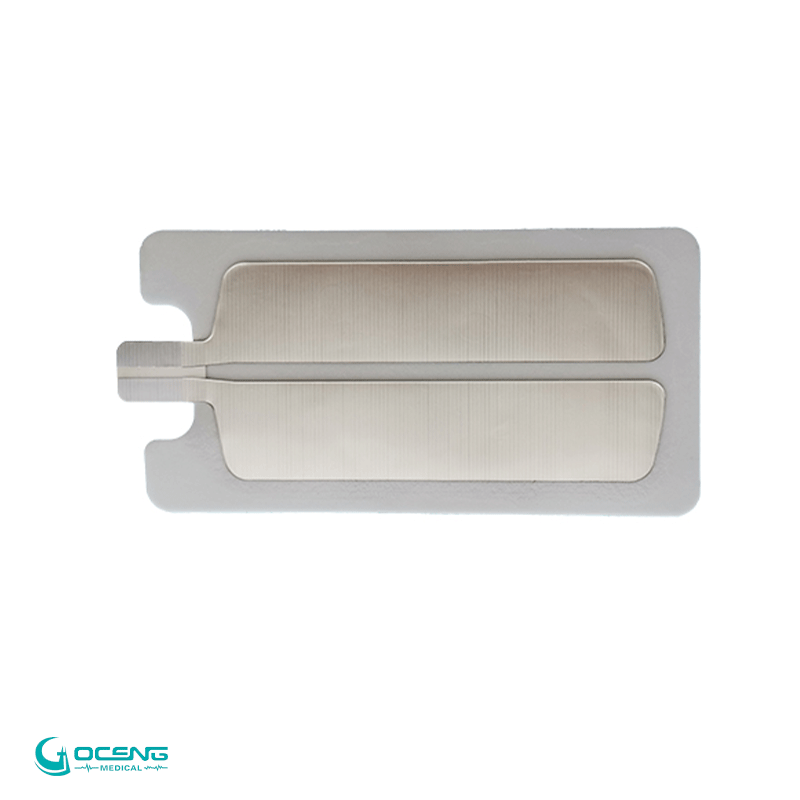
- Wearable ECG Patches: Skin-contact electrodes support extended ECG monitoring, with certain systems designed for monitoring periods of several days.
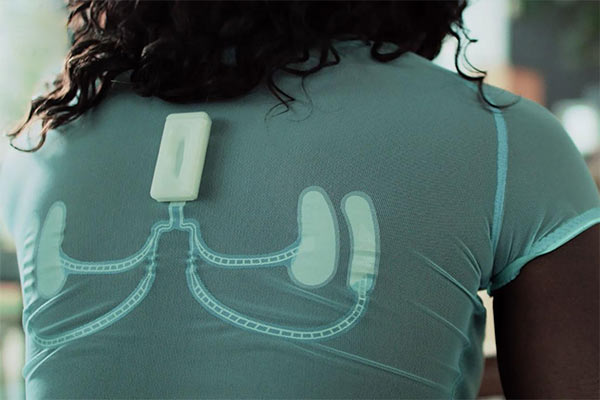
- Smart Clothing: Textile-integrated electrodes enable wearable cardiac monitoring and multi-channel ECG recording in selected systems.
- Portable ECG Devices: Compact devices provide convenient ECG recording outside traditional clinical environments.
These technologies are expanding the possibilities for cardiac monitoring, particularly when intermittent arrhythmias may not be detected during a conventional ECG examination.
2. The Growing Importance of ECG Patches and Smart Clothing
One important development highlighted in the review is the increasing use of ECG patches and smart garments.
ECG patches are designed to provide convenient skin-contact monitoring over extended periods. Smart clothing takes this concept further by integrating electrodes directly into textile structures.
These solutions offer several potential advantages:
- More convenient cardiac monitoring outside clinical environments.
- Extended recording periods for identifying intermittent rhythm abnormalities.
- Flexible product designs for different monitoring applications.
- Opportunities for remote patient monitoring and digital healthcare integration.
However, signal quality remains an important consideration. Body movement, electrode contact, skin conditions, and other factors can influence ECG signal acquisition.
3. Why Electrode Performance Matters in Wearable ECG Devices
As wearable ECG technologies continue to develop, electrode design and material selection play an important role in device performance.
Several factors should be considered during electrode development:
Stable Electrical Contact
Consistent contact between the electrode and skin is important for acquiring reliable ECG signals.
Conductive Hydrogel Performance
Conductive hydrogel helps establish electrical contact between the skin and the electrode's conductive element. Its formulation, thickness, and conductivity can influence electrode performance.
Adhesion and Wearing Comfort
Suitable adhesive properties help maintain electrode positioning during daily activities while supporting user comfort.
Flexible Electrode Structures
Flexible backing materials and customized electrode designs can help wearable devices adapt to different body locations and product configurations.
Signal Quality and Motion Considerations
Electrode construction and skin-contact stability should be considered together when developing wearable monitoring solutions.
4. Future Opportunities for Medical Electrode Manufacturers
The development of wearable ECG devices is creating new opportunities for medical electrode manufacturers and medical device developers.
As product designs become more compact, flexible, and application-specific, demand for customized electrode solutions may continue to grow.
Medical device manufacturers may require different electrode configurations, including:
- Disposable ECG electrodes for portable monitoring devices.
- Flexible skin-contact electrodes for wearable applications.
- Customized conductive hydrogel electrodes.
- Special electrode structures for smart garments and wearable medical systems.
Selecting suitable materials and electrode structures according to the intended application is an important part of product development.
5. Goceng Medical: Supporting ECG Electrode and OEM Solutions
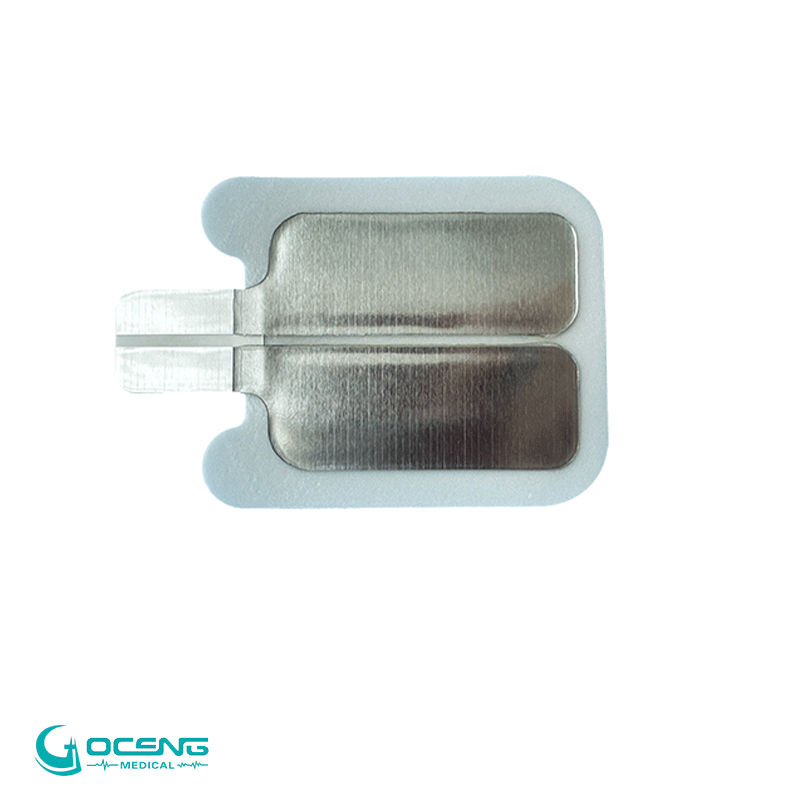
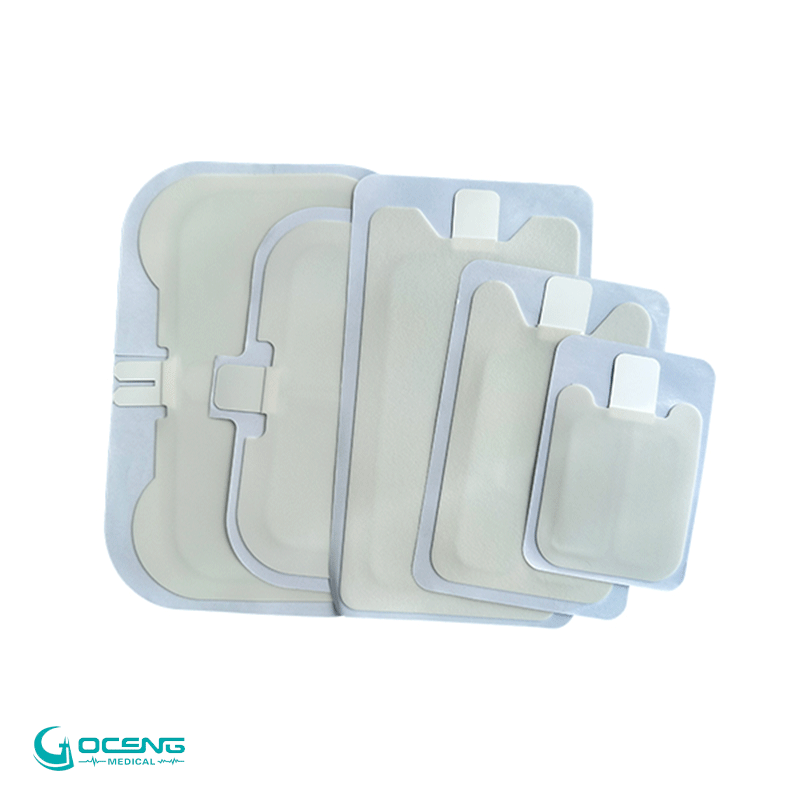
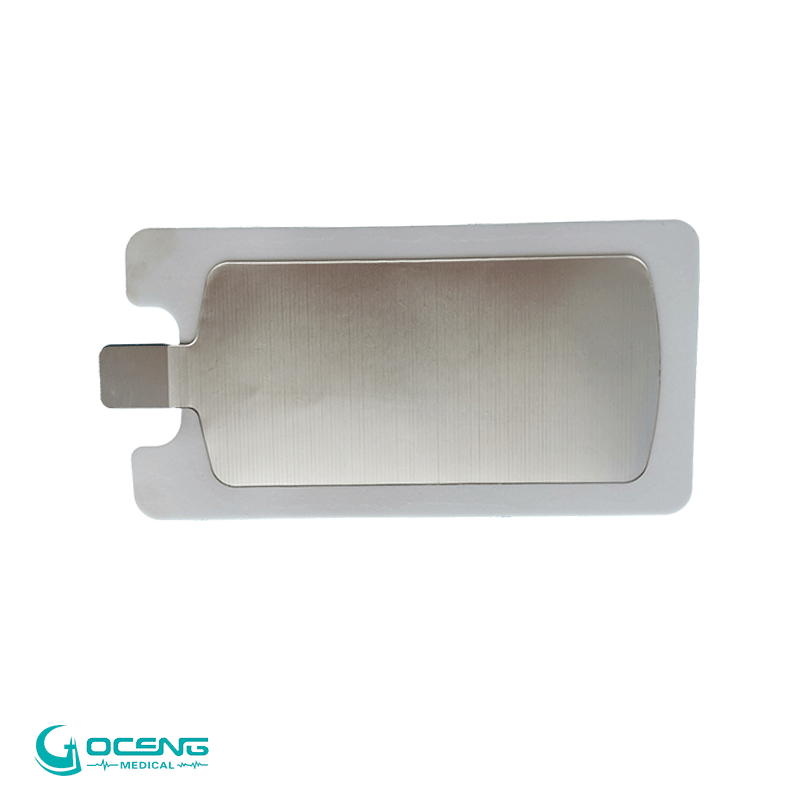
Goceng Medical specializes in medical electrode products, including disposable ECG electrodes, TENS/EMS electrodes, and conductive hydrogel solutions.
We support OEM customization for medical device manufacturers, offering options for electrode dimensions, backing materials, hydrogel specifications, adhesive structures, and connector configurations.
As wearable healthcare technologies continue to evolve, we remain focused on providing practical electrode solutions to support the development of medical monitoring devices.
Contact Goceng Medical to discuss your customized ECG electrode requirements and OEM projects.