Understanding the Key Materials, Adhesion Properties, and Manufacturing Factors Behind Reliable Physiotherapy Electrode Pads.
1. Why Electrode Pad Quality Matters
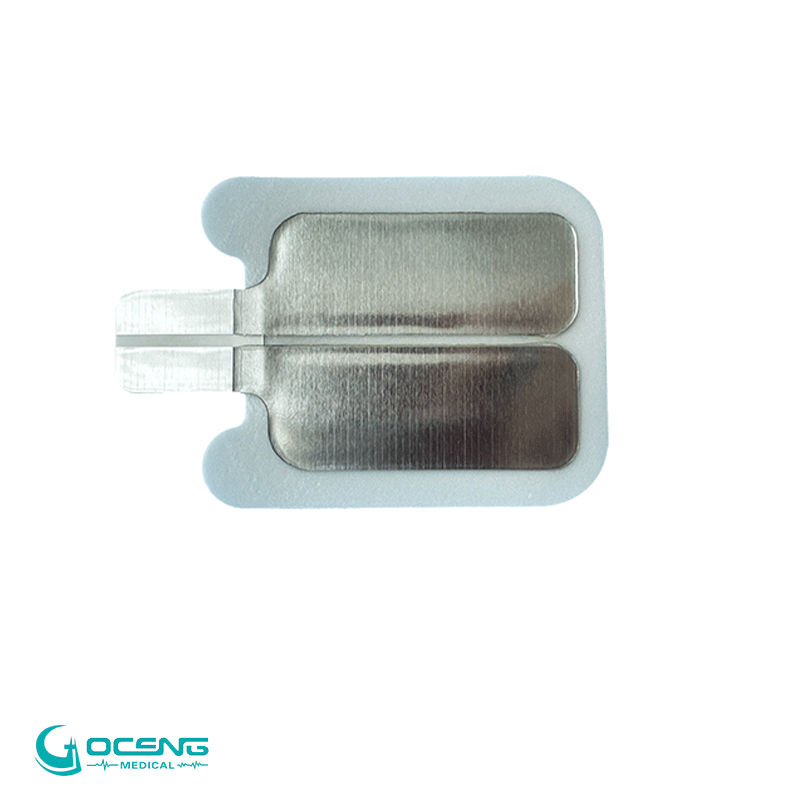
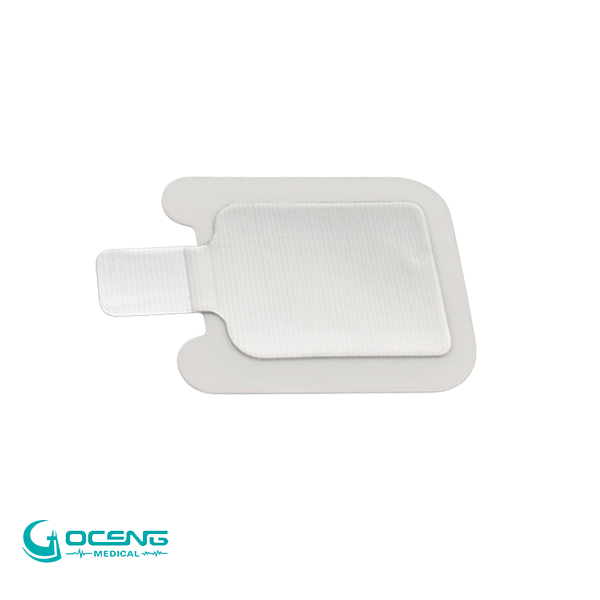
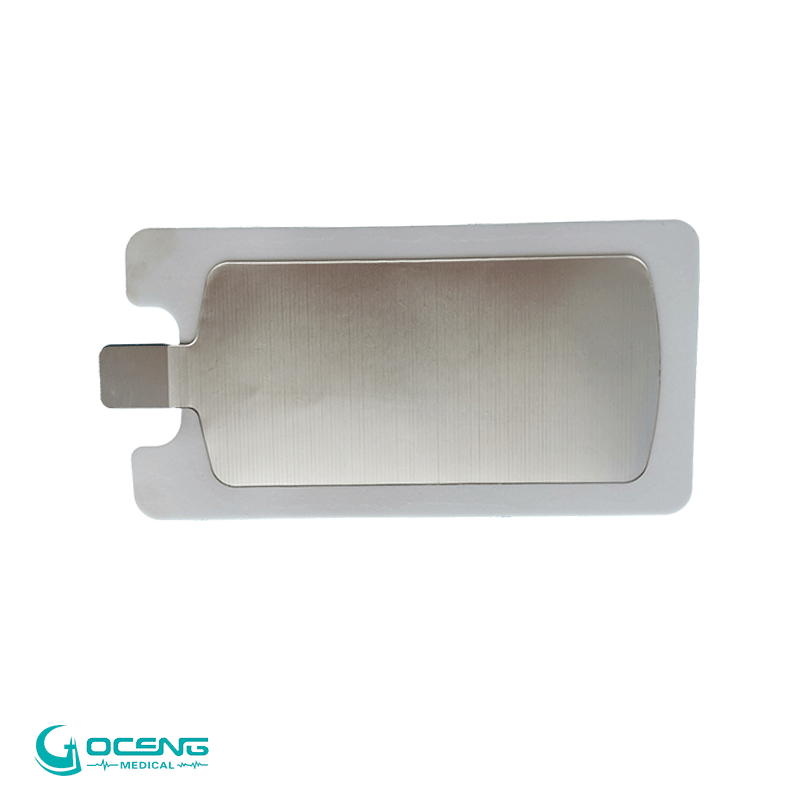
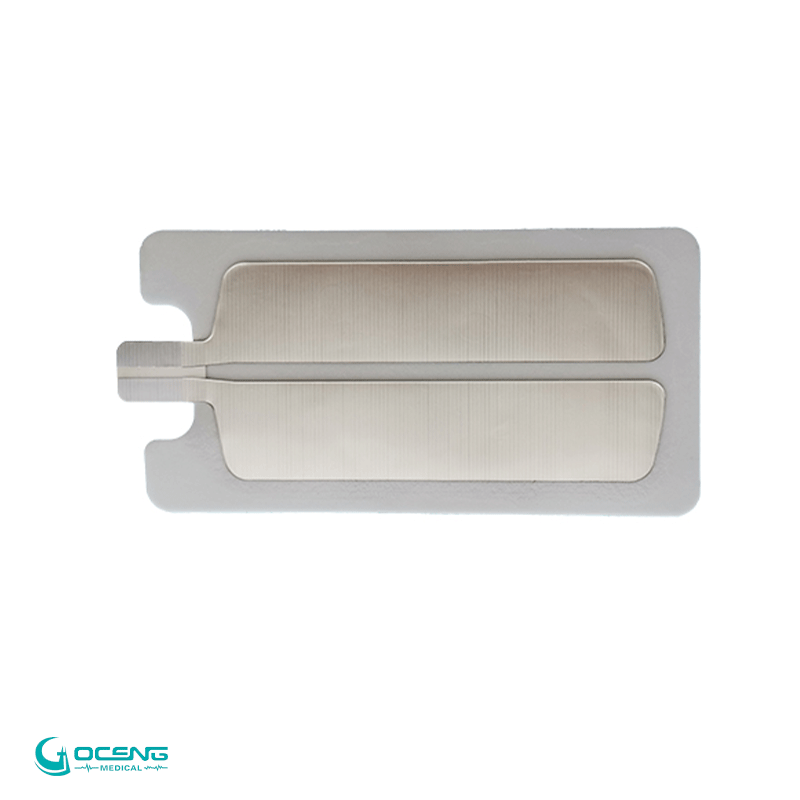
TENS and EMS electrode pads are essential components of electrotherapy devices. They provide the electrical connection between the stimulation device and the user's skin.
Although electrode pads may look simple, their material composition, conductive hydrogel, adhesive properties, and manufacturing quality can significantly influence the overall user experience.
For medical device manufacturers and physiotherapy equipment brands, selecting reliable electrode pads is important for maintaining consistent product performance and customer satisfaction.
2. Four Key Factors That Determine Electrode Pad Quality
1. Conductive Hydrogel Performance
Conductive hydrogel is one of the most important components of a TENS/EMS electrode pad.
It helps establish electrical contact between the electrode and the skin. Its formulation, thickness, conductivity, and adhesion properties all influence electrode performance.
A well-designed hydrogel should provide:
- Consistent electrical conductivity.
- Uniform contact with the skin.
- Suitable adhesive properties.
- Stable performance during the intended period of use.
Different applications may require different hydrogel formulations and thicknesses.
2. Adhesion and Reusability
For reusable TENS/EMS electrode pads, adhesion performance is a key quality indicator.
The electrode should maintain sufficient adhesion during application while allowing convenient removal after use.
Important considerations include:
- Initial adhesion strength.
- Adhesion retention after repeated applications.
- Resistance to drying during normal storage and use.
- Minimal adhesive residue under intended conditions.
- Consistent performance throughout the specified reuse cycles.
The actual number of reusable applications depends on the hydrogel formulation, storage conditions, skin condition, and usage practices.
3. Electrode Structure and Materials
The backing material and electrode structure also affect product performance.
Common considerations include:
- Flexible backing materials such as PET or fabric.
- Conductive carbon or other electrode structures.
- Different snap connector configurations.
- Various shapes and dimensions.
- Suitable flexibility for different body application areas.
Manufacturers should select electrode structures according to the intended device design and electrical requirements.
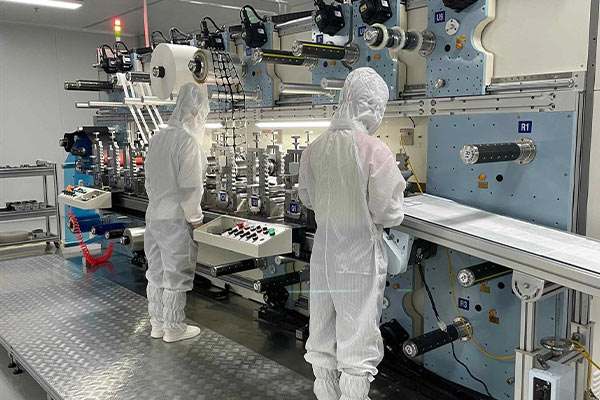
4. Manufacturing Consistency and Quality Control
Consistent manufacturing is essential for producing reliable electrode pads.
Important production controls include:
- Hydrogel thickness and coating uniformity.
- Electrode dimensions and cutting accuracy.
- Connector bonding and attachment strength.
- Adhesion and electrical performance testing.
- Packaging integrity and shelf-life management.
A reliable manufacturing process helps reduce batch-to-batch variations and supports long-term cooperation between electrode suppliers and medical device brands.
3. Choosing the Right Electrode Pads for Different Applications
TENS and EMS devices may have different electrical output characteristics and intended applications. Therefore, electrode selection should consider the device specifications rather than relying on appearance alone.
Factors to evaluate include:
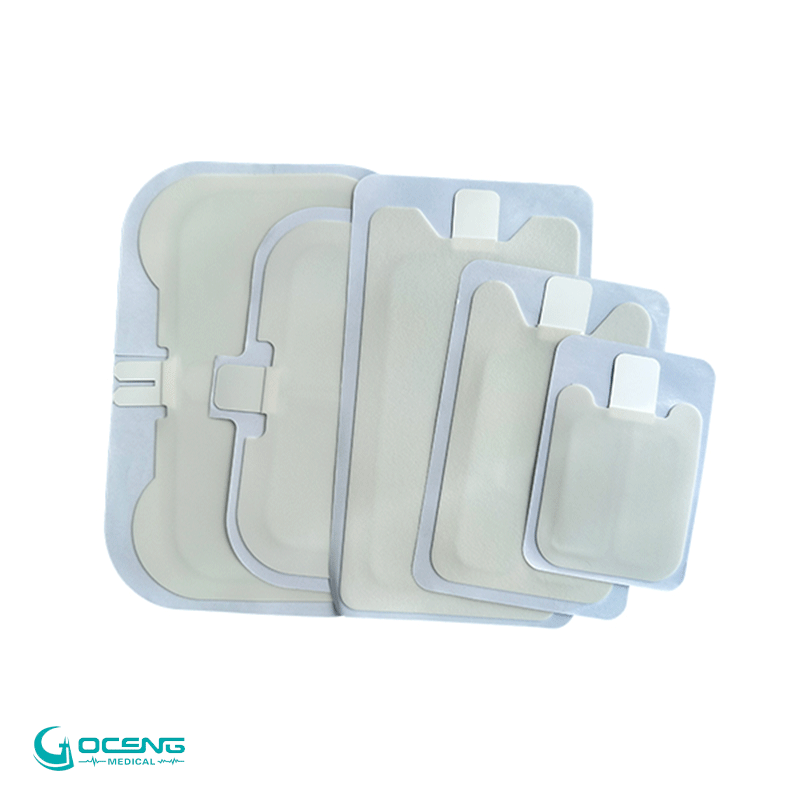
- Electrode size and shape.
- Connector type and compatibility.
- Conductive hydrogel characteristics.
- Intended reuse cycles.
- Electrical performance requirements.
- Skin contact and application conditions.
Before mass production, manufacturers should evaluate electrode samples together with the intended stimulation device to confirm compatibility and performance.
4. Important Considerations for Safe and Appropriate Use
TENS/EMS electrode pads are designed for use on suitable, intact skin according to the device manufacturer's instructions.
They should not be assumed suitable for every user or every clinical condition.
Special caution is necessary for people with diabetes-related foot complications, peripheral neuropathy or reduced skin sensation, damaged or broken skin, and certain skin conditions.
Users with these conditions should consult an appropriate healthcare professional before using electrical stimulation products.
Electrode pads should not be applied to skin areas with open wounds or active skin irritation. The device instructions and applicable contraindications should always be followed.
5. Goceng Medical: TENS/EMS Electrode Pad Manufacturing
Goceng Medical specializes in TENS and EMS electrode pads for medical device manufacturers, physiotherapy equipment brands, and international distributors.
Our product and customization capabilities include:
- Multiple electrode shapes and dimensions.
- Different conductive hydrogel thicknesses.
- Various backing materials and connector configurations.
- Reusable electrode pad solutions.
- Customized OEM/ODM manufacturing.
- Product packaging and quality documentation support.
We focus on material consistency, manufacturing quality, and practical product requirements to support customers developing and sourcing electrotherapy products.
Looking for a TENS/EMS electrode pad manufacturer?
Contact Goceng Medical to discuss your product specifications, sample requirements, and OEM/ODM projects.
Website: https://www.gocengmed.com
Email: info@gocengmed.com
The quality of TENS/EMS electrode pads depends on more than just conductive hydrogel. Adhesion, reusability, electrode structure, connector compatibility, and manufacturing consistency all contribute to the overall product performance.
For medical device brands and distributors, working with an experienced electrode manufacturer is an important step toward developing reliable electrotherapy products.