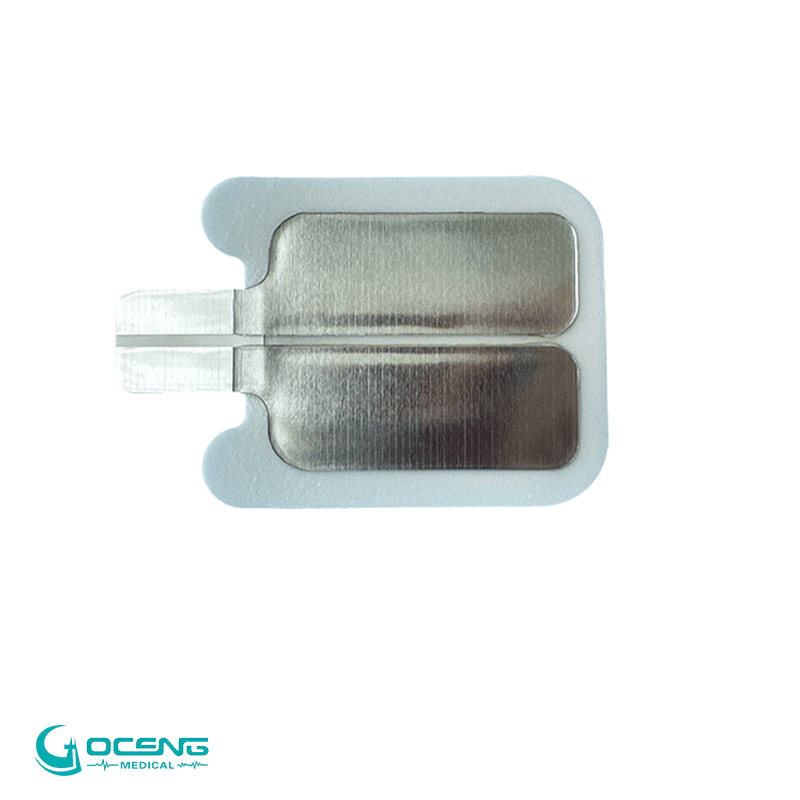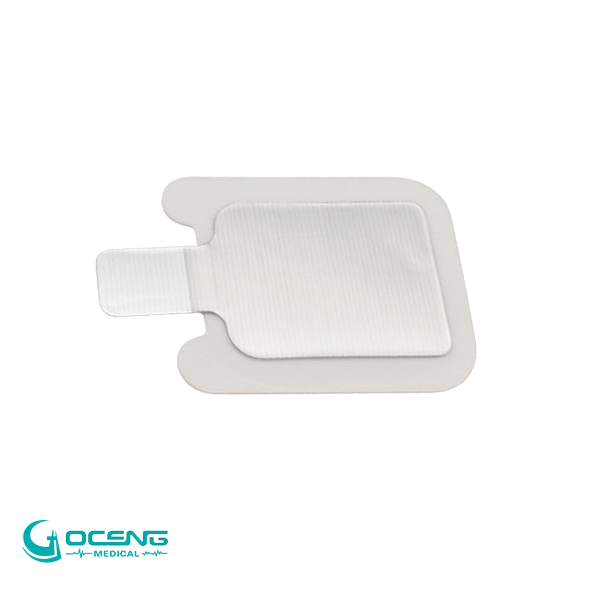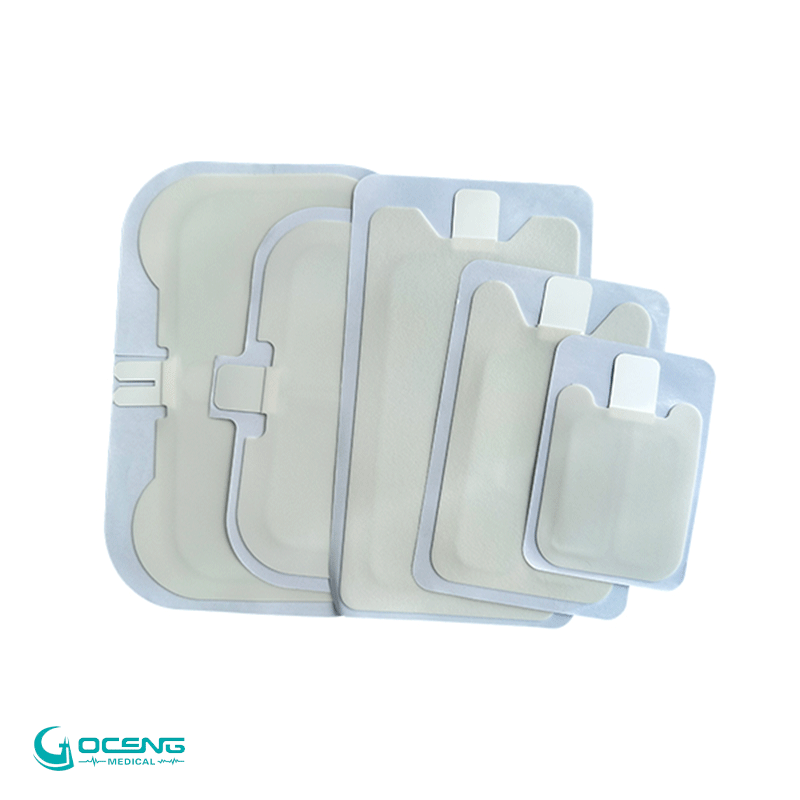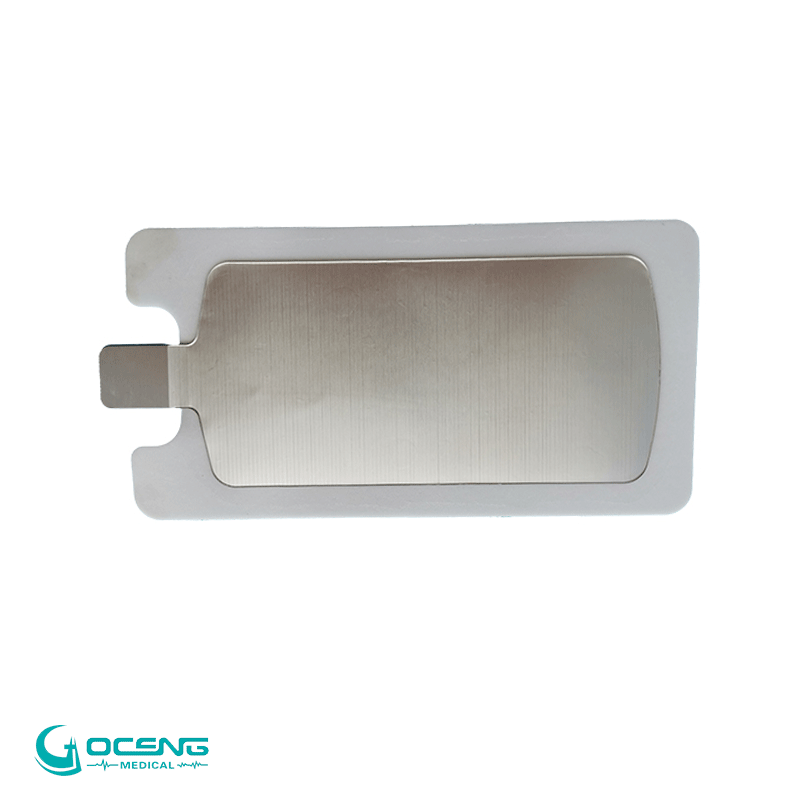
Selecting the appropriate electrodes is essential to ensure optimal performance in both diagnostic and therapeutic applications. EMG and TENS electrodes serve different purposes, and understanding their key differences helps users achieve better results in clinical, rehabilitation, and home-care settings.
Understanding the Difference
EMG Electrodes are primarily used for monitoring and recording muscle electrical activity. Their performance depends heavily on signal clarity and stability.
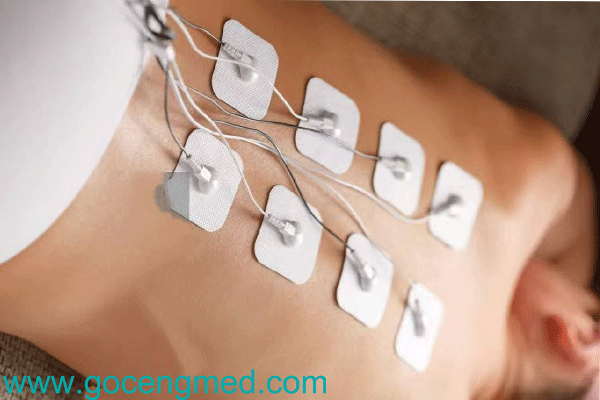
TENS Electrodes are designed for electrical stimulation, commonly used in pain relief and muscle therapy. Comfort and even current distribution are the main priorities.
Key Factors
1. Electrical Performance
For EMG applications, low impedance is critical to reduce noise and ensure accurate signal acquisition. High-quality electrodes with stable impedance provide clearer and more reliable readings.
For TENS applications, high conductivity is essential to deliver electrical stimulation evenly across the skin, improving user comfort and effectiveness.
2. Adhesion Performance
Reliable adhesion ensures consistent contact between the electrode and the skin.
- EMG electrodes require stable adhesion to avoid signal interference during monitoring.
- TENS electrodes typically require stronger and sometimes reusable adhesion for repeated use.
3. Material Selection
Electrodes are available in different backing materials, each offering unique benefits:
- Foam: soft and flexible, suitable for most applications
- Non-woven: breathable and comfortable for longer use
- Cloth: durable and resistant to movement
4. Size and Shape
The size of the electrode affects both performance and user experience.
- EMG electrodes are generally smaller to allow precise placement and accurate signal detection.
- TENS electrodes are usually larger to distribute current more evenly and reduce discomfort.
5. Skin Compatibility
Skin-friendly materials are essential, especially for prolonged use. Medical-grade hydrogel and hypoallergenic adhesives help minimize irritation and improve patient comfort.
6. Connector Type
Choosing the correct connector ensures compatibility with the device. Common options include:
- Snap connectors
- Rectangular connectors
- Pin connectors
Application-Based Selection
For clinical diagnostics and professional use, EMG electrodes with low impedance and high signal stability are recommended.
For rehabilitation and pain management, TENS electrodes with high conductivity and comfortable adhesion are more suitable.
For home-care applications, ease of use, comfort, and cost-effectiveness are also important considerations.
Choosing the right electrode depends on the specific application, performance requirements, and user expectations. By focusing on key factors such as impedance, conductivity, adhesion, and material, users can significantly improve both accuracy and comfort.
Goceng Medical offers a comprehensive range of EMG and TENS electrodes with optimized low impedance, high conductivity, and reliable adhesion performance, supporting a wide range of medical and healthcare applications.