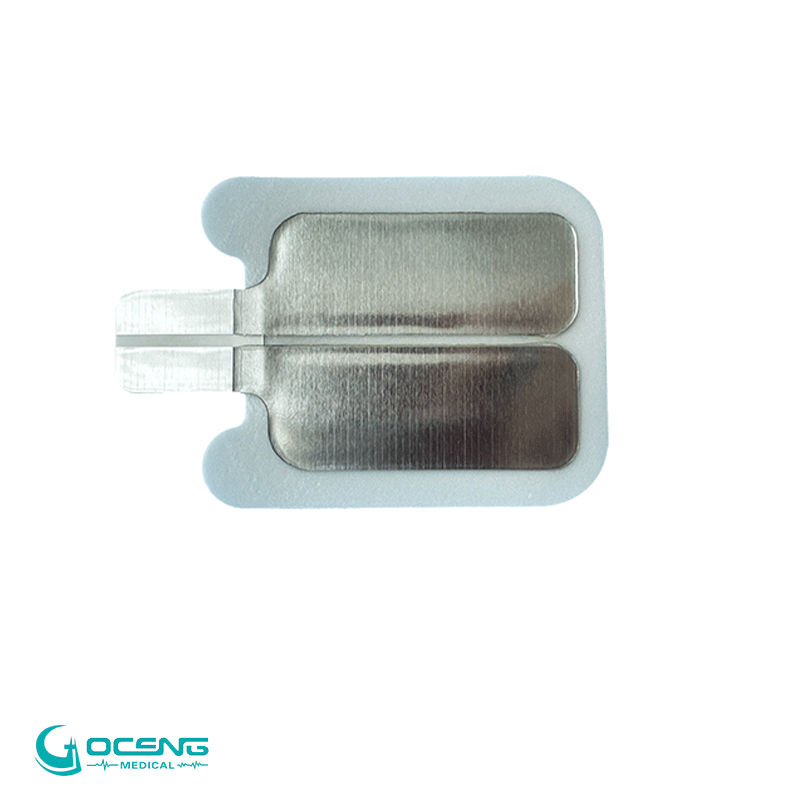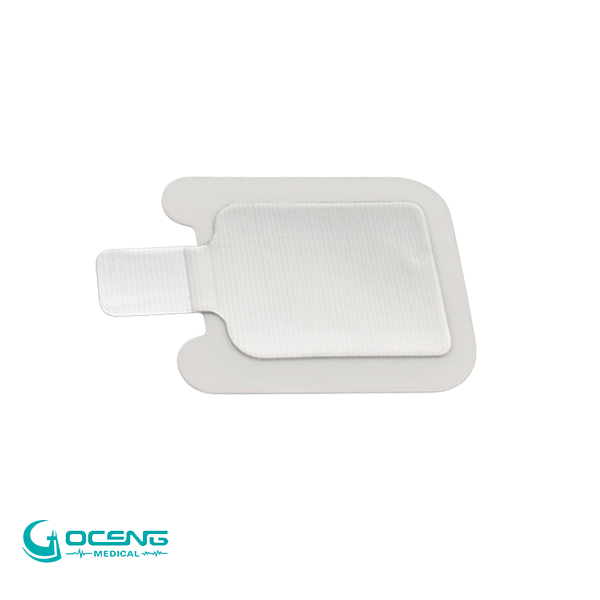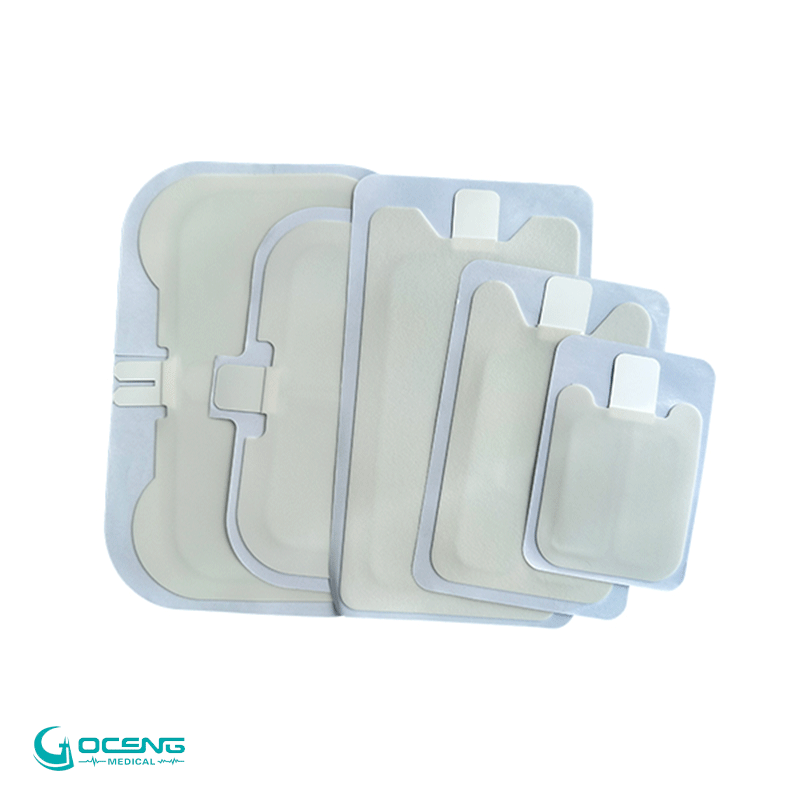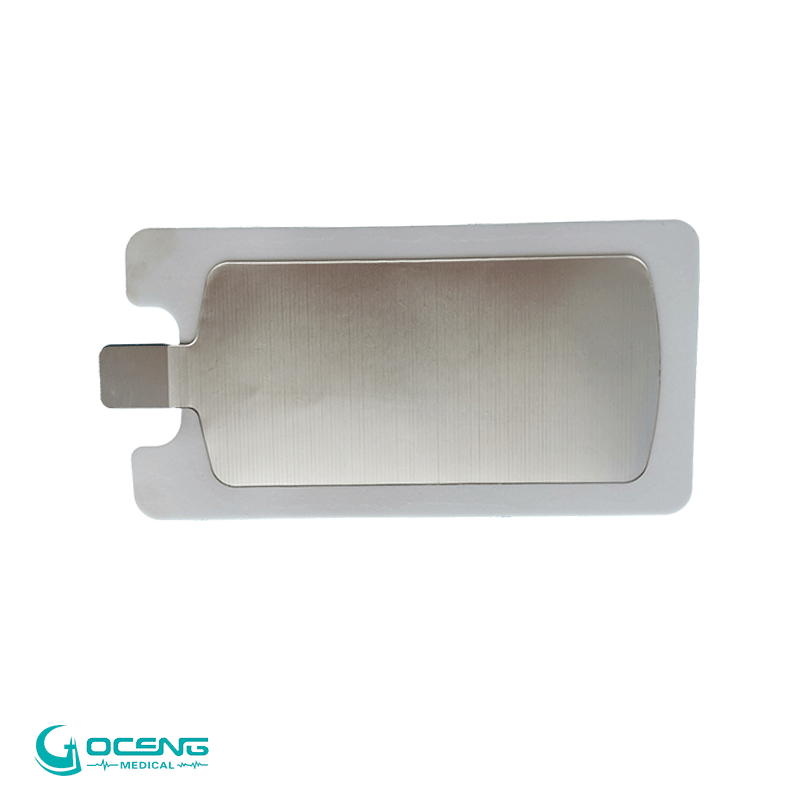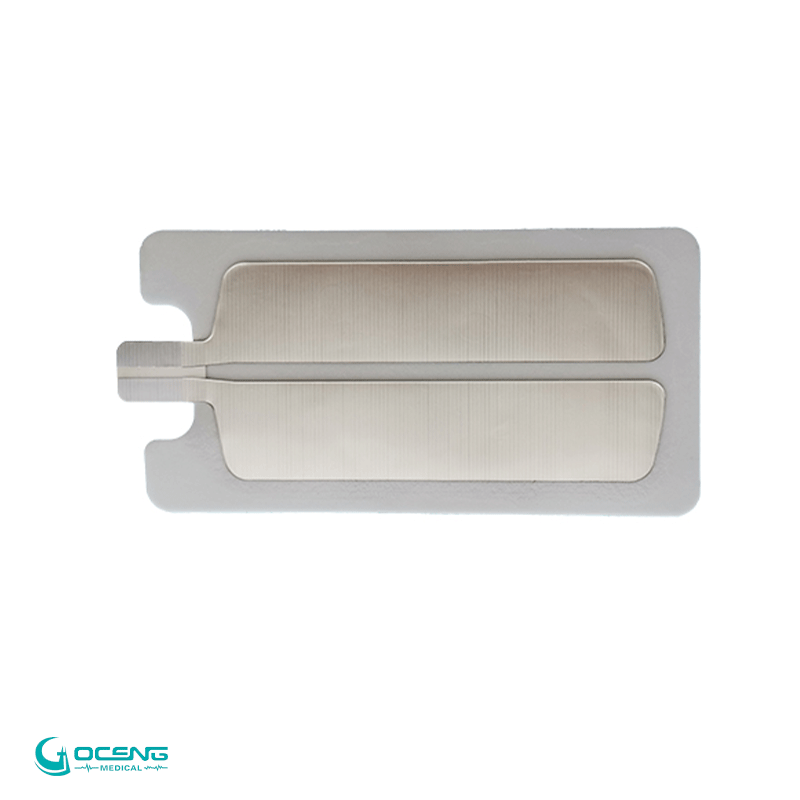
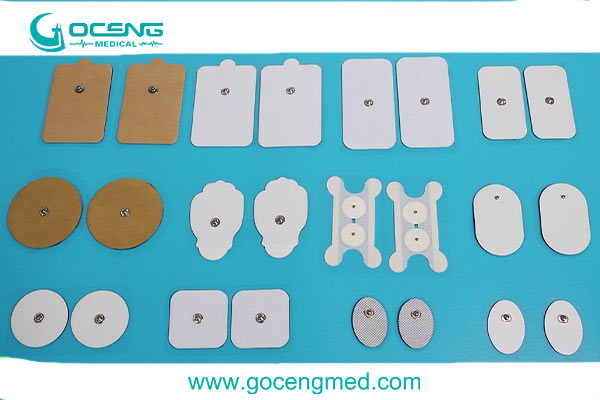
For medical device companies, developing a customized electrode pad involves more than selecting a product from an existing catalog. Dimensions, connectors, materials, packaging, and production requirements all need to be considered before moving into mass production.
A well-organized OEM development process helps reduce unnecessary revisions and ensures that the final product meets the customer's technical and commercial requirements.
1. Define the Product Requirements
The first step is to establish the basic product specifications.
Important information includes:
- Electrode dimensions and overall shape
- Intended application and compatible device
- Connector type and positioning
- Backing material and product structure
- Required packaging format
- Expected annual purchasing volume
Providing drawings, reference samples, or product photographs can help manufacturers understand the requirements more accurately.
2. Evaluate the Custom Design
Once the specifications are confirmed, the manufacturer can evaluate the proposed design.
For customized electrode pads, this may involve reviewing cutting dimensions, connector placement, material combinations, and production feasibility.
If a special shape is required, a customized cutting die may need to be developed.
3. Sample Development and Approval
Before mass production, prototype samples should be prepared for customer evaluation.
Depending on the project, the approval process may include:
- Checking dimensions against the approved drawing
- Confirming connector compatibility
- Evaluating product appearance and construction
- Reviewing packaging artwork
- Confirming the final product specification
Clear sample approval helps establish a common reference for subsequent production.
4. Packaging and Branding Requirements
Packaging is another important part of OEM development.
Customers may require individual pouches, customized printed bags, product labels, barcodes, or specific carton configurations.
Artwork, packaging dimensions, labeling information, and minimum order quantities should be discussed early to avoid delays during production preparation.
5. Plan for Commercial Production
Before placing a production order, both parties should confirm:
- Final approved specifications
- Order quantity and pricing
- Raw material availability
- Production lead time
- Packaging requirements
- Inspection and shipment arrangements
Annual demand forecasts can also help manufacturers plan materials and provide more appropriate volume-based quotations.
Working with an Experienced Electrode Manufacturer
At Goceng Medical , we support OEM and customized manufacturing of TENS/EMS electrode pads, disposable ECG electrodes, and other medical electrode products.
From existing product modifications to customized shapes, connectors, and packaging, we work with customers to evaluate project requirements and coordinate sample development before production.
Whether you are developing a new medical device or looking for an alternative electrode supplier, we welcome the opportunity to discuss your project.
Contact Goceng Medical to start your customized electrode pad development.