Skin electrodes are widely used in medical monitoring, rehabilitation, and electrical stimulation devices. As medical technologies continue to develop, electrode manufacturers are paying increasing attention to the interaction between electrode materials and human skin.
Beyond electrical conductivity, factors such as breathability, adhesion, flexibility, and long-term contact stability are becoming important considerations in electrode design.
Recent Research Highlights Material Innovation
A review published online on September 8, 2026, in Progress in Natural Science: Materials International, examined recent research into breathable and self-adhesive skin electrodes.
The review highlights several challenges associated with conventional skin electrodes, including:
- Hydrogel dehydration during extended use.
- Changes in electrode-skin impedance.
- Skin irritation caused by prolonged contact.
- Motion artifacts resulting from unstable electrode contact.
- The balance between adhesion strength and skin comfort.
The research emphasizes that breathability and self-adhesion should be considered together when designing next-generation skin electrodes.
Key Factors in Medical Electrode Material Selection
For medical electrode manufacturers, material selection and process control are essential to achieving consistent product performance.
1. Conductive Hydrogel Performance
Hydrogel plays an important role in establishing electrical contact between the electrode and skin. Its formulation, thickness, conductivity, and moisture retention can influence electrode performance.
2. Adhesion and Bonding Stability
The adhesive properties of an electrode should be evaluated not only in terms of initial skin adhesion but also in terms of material bonding and stability throughout the intended use period.
3. Flexible Backing Materials
Flexible backing materials help electrodes adapt to different body contours and movement conditions. Material selection should consider flexibility, skin compatibility, and the intended application.
4. Electrical Performance Testing
Electrical impedance and other relevant performance indicators should be evaluated according to the electrode's intended application and product specifications.
Goceng's Focus on Medical Electrode Manufacturing
At Goceng, we manufacture a range of electrode products for medical monitoring and electrical stimulation applications.
Our product portfolio includes:
- TENS and EMS electrode pads
- Disposable ECG electrodes
- EEG and EMG electrode solutions
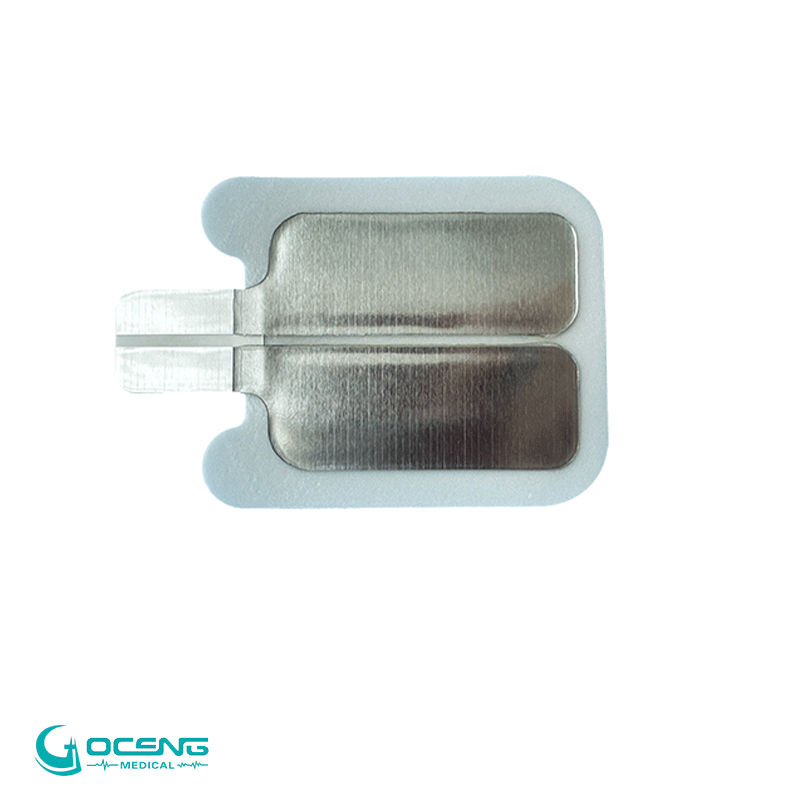
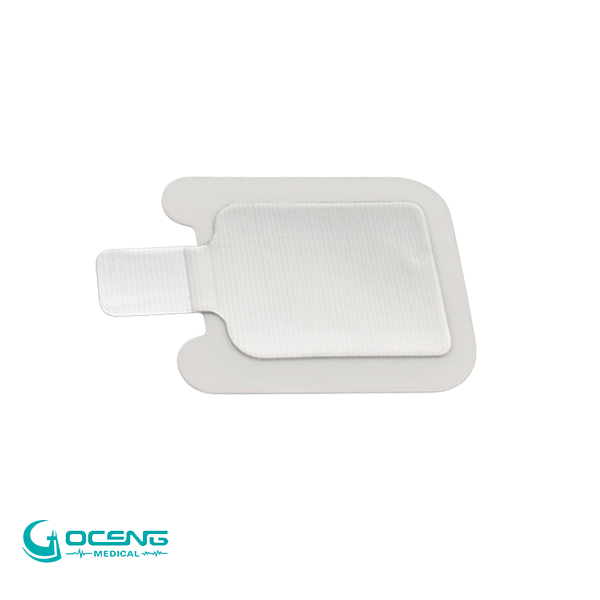
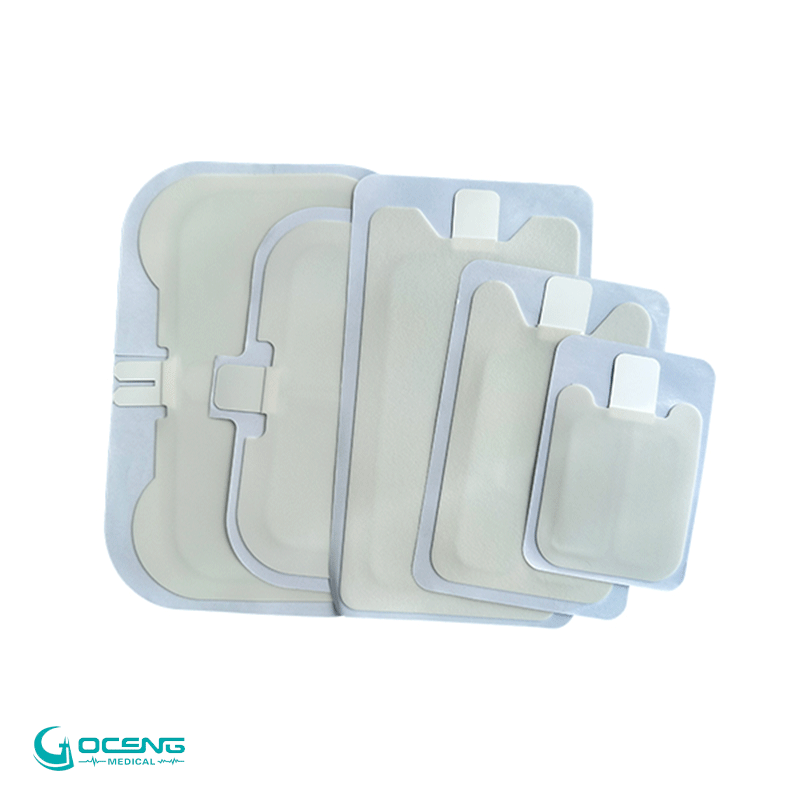
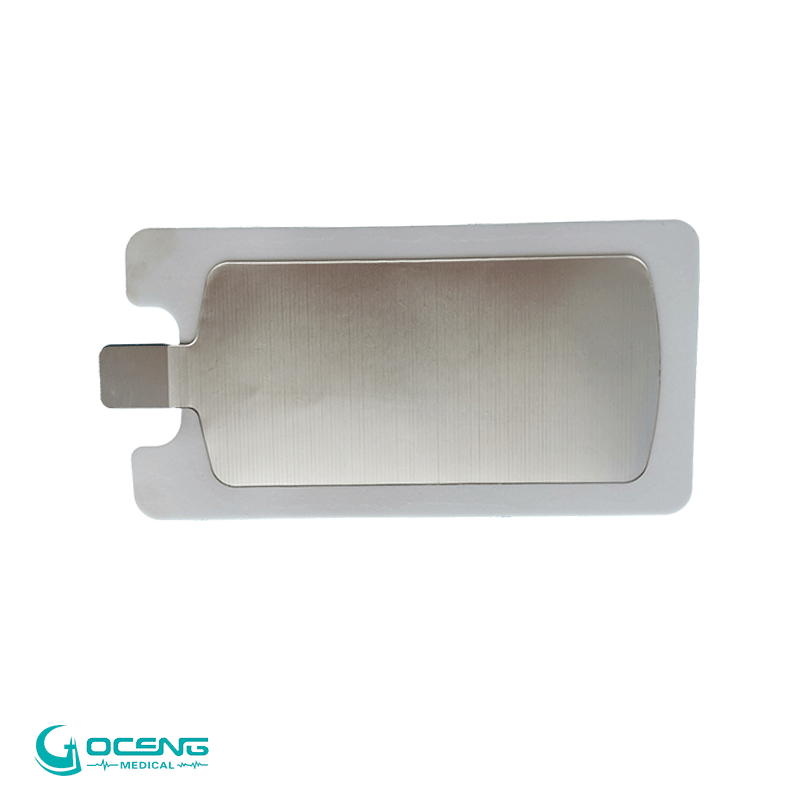
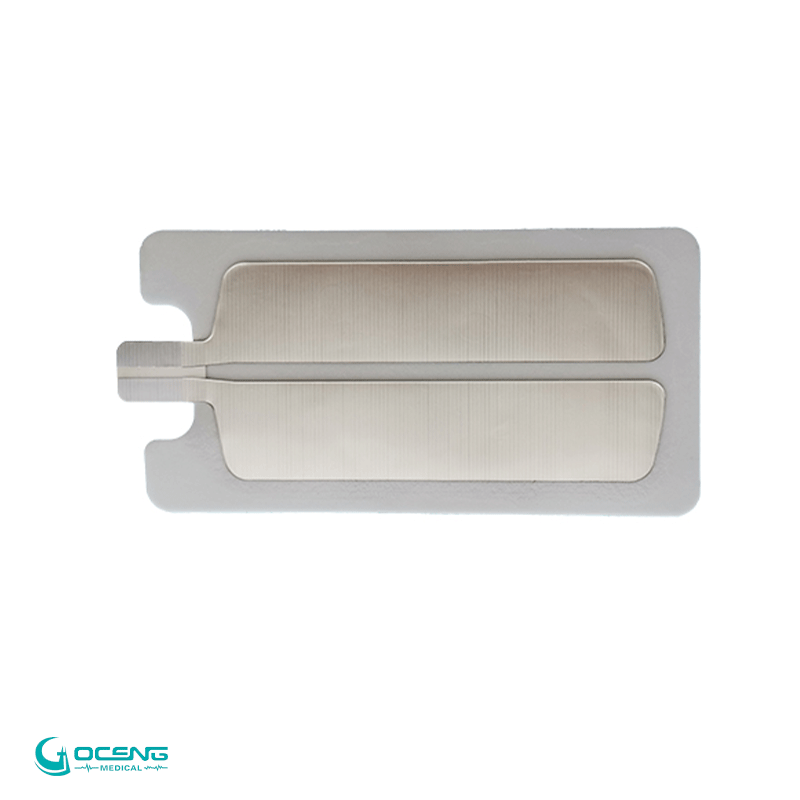
- Disposable Neutral electrodes / disposable Grounding Pads
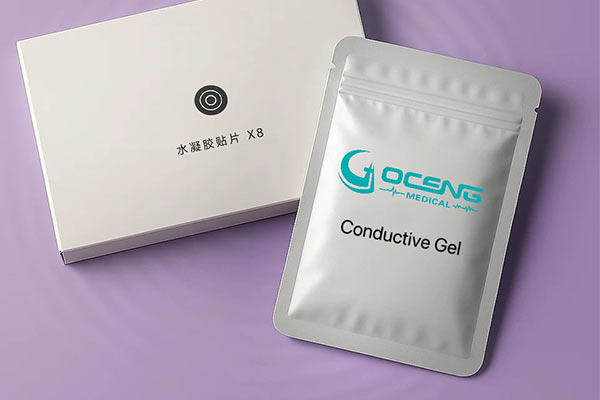
- Conductive hydrogel materials
- Customized medical electrode components
We understand that electrode performance depends on the interaction of multiple materials, including conductive hydrogel, adhesive layers, and backing substrates. Through customized manufacturing and material selection, we support customers developing electrode solutions for different medical device applications.
The development of breathable, flexible, and self-adhesive skin electrodes represents an important direction in bioelectronic interface research.
As material science advances, collaboration between material developers, electrode manufacturers, and medical device companies will remain important for translating research concepts into practical electrode products.
Looking for a customized medical electrode manufacturing partner? Contact Goceng to discuss your OEM requirements.